Hey everyone, let’s cut to the chase: when was the last time you got excited about a work t-shirt? Probably not yesterday—unless it’s custom, high-quality swag that doesn’t feel like a cheap hand-me-down from a conference. As a corporate apparel supplier, I hear this question nonstop: Can corporate apparel actually be used for employee recognition? I get it—most people roll their eyes when they hear “company swag” because the stuff they’ve seen is the kind that fades after two washes, has a logo so big it’s distracting, and makes you want to stuff it in the back of a closet. But here’s the thing: I’ve worked with dozens of teams (from 10-person startups to 500-person mid-sized firms) that turned basic work apparel into a way to make people feel seen, and it’s not just fluff—it actually works. Corporate Apparel

Let’s start with the basics: why does employee recognition even matter? I’ve done my homework on this, because I don’t want to push bad products. A 2023 study from the Society for Human Resource Management (SHRM) found that 82% of employees say public recognition makes them feel more engaged at work, and engaged teams are 21% more productive. That’s not a tiny number. The problem? Most recognition tactics are boring: a one-time gift card, a shoutout in a team meeting that lasts 10 seconds, or a generic “Employee of the Month” plaque that ends up in a storage closet. Corporate apparel, when done right, is different because it’s something people actually use—every single day. It’s not a throwaway item; it’s a walking reminder that their work matters.
Wait, but how? Let me give you a real example. Last year, I worked with a small marketing agency in Austin that was struggling with high turnover in their design team. Their employees loved coming up with creative campaigns, but nobody felt like their individual wins were being celebrated. The agency’s owner told me she’d tried everything: gift cards to local coffee shops, extra PTO days, but after a week, the excitement faded. So we came up with a custom program. When a designer landed a big client, we’d create a limited-edition hoodie just for that person—nothing with their full name, just a subtle embroidered detail that tied to their work. For Sarah, who led the campaign for a sustainable brand, we added a tiny maple leaf and “Zero Waste Hero” stitched in gold thread on the chest. For Mike, who fixed a glitch in their project management tool that saved the team 10 hours a week, we did a hoodie with a little bug emoji and “The Glitch Slayer” on the sleeve. The kicker? We only made 50 of each hoodie—no bulk orders, just for the team and a few client meetings. Within three months, their turnover rate for design dropped by 30%. The designer told me, “A coffee card gets used once, but I wear my hoodie to client meetings, and people ask about it. It’s like my work has a label that says ‘I did this.’” That’s the kind of impact generic swag can’t touch.
Now, I know what some of you are thinking: “That’s just for small teams. What about big corporations?” Good question—because I’ve worked with a 300-person logistics firm based in Chicago, and they had the same problem. Their frontline warehouse team was putting in 12-hour shifts, lifting heavy packages, and dealing with tight deadlines, but recognition there was hard. You can’t really do a big shoutout in the warehouse without disrupting operations. So we came up with a different approach: tiered apparel recognition. The top-performing team each month got a premium work jacket—waterproof, warm, with their team name embroidered on the back. The individual stars (like the forklift operator who saved a near-miss accident) got custom work gloves that were branded with their name and a small, understated “Safety Star” patch. The warehouse manager told me, “Before, the only ‘reward’ was a pizza party once a quarter. Now, guys will ask ‘What do I have to do this month to earn that jacket?’ It gives them a goal, and when they get it, they’re proud to wear it to work. Other teams notice too— it’s friendly competition that’s actually positive.”
Let’s get into why this works, beyond just “it’s cool stuff.” First, it’s tailored. A lot of companies make the mistake of buying one-size-fits-all apparel for everyone, but if you customize it to the person’s role or their win, it feels personal, not generic. Second, it’s inclusive. Not everyone likes public speaking, so a shoutout in a meeting might make some people uncomfortable. But a custom piece of apparel is a private (but noticeable) recognition—someone can see that you’re valued without putting you on the spot. Third, it’s functional. Most corporate apparel is either casual (t-shirts for office days) or work-specific (polos for frontline teams) — so people don’t have to hide it in a closet. They wear it to work, to kid’s soccer games, to run errands. That means the recognition doesn’t just last for a day—it’s a conversation starter for weeks. Someone will see Sarah’s Zero Waste Hero hoodie at a grocery store and say, “Hey, I heard you worked on that sustainable campaign!” and suddenly her work is being celebrated outside the office too.
But wait—this isn’t to say every company needs to blow their swag budget on custom limited-edition hoodies. I’ve seen small wins work too. For example, a 20-person SaaS startup in Seattle was on a tight budget, so instead of big items, we did custom lanyards and laptop stickers for people who hit their quarterly goals. The stickers weren’t just the company logo—they were things like “I Crushed My Q3 Launch” or “Customer Success Rockstar.” The startup’s HR rep told me, “These are way cheaper than gift cards, and people put them on their laptops every day. We’ve even had new hires mention they saw a sticker on a coworker’s laptop and felt more excited to join the team.” That’s recognition working double: it’s celebrating existing employees, and it’s a subtle way to attract new talent.
I also want to address the biggest pushback I hear: “Apparel is for work, not for praise. What if someone doesn’t like it?” Fair point. That’s why the key is choice. We don’t force people to wear custom items—we give them options. For the warehouse team, we let people pick between jackets, gloves, or even a custom hat. For office teams, we have hoodies, polos, or even customized tote bags. Some people don’t like wearing branded stuff outside work, so we offer work-specific apparel for office days, or casual pieces that are nice enough to wear on weekends. When people have a say, they actually want to wear it—so the recognition feels like a perk, not a chore.
Another thing that people overlook: apparel recognition builds team identity. When everyone’s wearing a common piece, it creates a sense of belonging, but when you have custom pieces for individual wins, it balances team cohesion with individual achievement. That’s a huge win for both employees and companies. When people feel like they’re part of something bigger (the team) but also that their unique work is seen, they’re more likely to stay and put in extra effort. I saw this with the marketing agency in Austin: not only did turnover drop, but the agency’s client retention rate went up 25% because employees were more invested in their work.
Let’s be real—this isn’t a silver bullet. If your company has a toxic culture, no amount of custom hoodies will fix that. But when you pair small, intentional apparel gestures with regular feedback, it’s a game-changer. The SHRM study I mentioned earlier also found that employees who get meaningful recognition are 50% less likely to look for a new job in the next year. Corporate apparel is meaningful because it’s tangible, it’s visible, and it’s something people interact with every single day.
I’ve been in this corporate apparel game for 8 years, and I’ve seen so many companies waste money on generic swag that ends up in donation bins. But I’ve also seen teams that turn apparel into a tool to make people feel valued—and that’s what it’s all about. It’s not about buying expensive stuff; it’s about recognizing people in a way that fits their work, their personality, and their role. Whether you’re a 10-person startup or a 500-person corporation, you don’t need a huge budget to make this work. Even small, customized touches can go a long way.
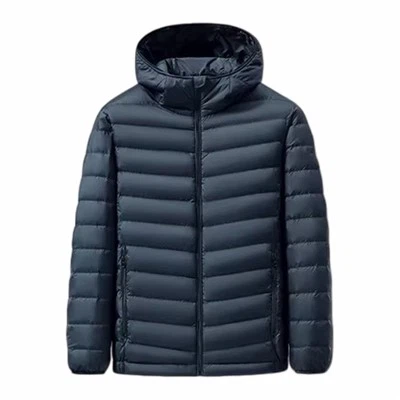
If you’re curious about how this could work for your team, I’d love to chat. We don’t do one-size-fits-all packages—we’ll sit down with you, talk about your team’s pain points, your budget, and what kind of recognition feels right for your people. We can create something that fits your brand, celebrates your employees, and doesn’t feel like the generic swag you’re used to. Don’t overcomplicate it—sometimes the simplest, most wearable gestures make the biggest difference.
Casual Jacket References:
Society for Human Resource Management. (2023). Employee Recognition in the Modern Workplace: Key Metrics and Best Practices. HR Magazine, Vol. 68, No. 4, 12-21.
Gallup. (2022). State of the Global Workplace: Employee Engagement Insights. Gallup Inc.
National Safety Council. (2023). Frontline Employee Recognition Programs: Impact on Safety and Retention. Safety Culture Journal, Vol. 17, No. 2, 45-52.
Address: Intersection of Gulou North Street and Wei-3 Road, Chengguan Town, Shucheng County, Lu’an City, Anhui Province
E-mail: leaderclothing2026@163.com
WebSite: https://www.leader-clothing.com/
