If you’ve ever relied on a mobile crusher to turn raw rock, construction debris, or mineral ore into usable materials on job sites, you already know this equipment isn’t just a machine—it’s the backbone of countless projects, from road construction to demolition cleanup. As a mobile crusher supplier, I’ve seen firsthand how even the most durable units can fail prematurely when maintenance is treated like an afterthought, rather than a scheduled, intentional practice. Over 12 years in this industry, I’ve walked hundreds of job sites, reviewed dozens of broken-down crushers, and worked with operators to build maintenance routines that extend machine life, cut downtime, and keep projects on track. Today, I’m breaking down exactly what mobile crusher maintenance entails, why it matters, and how to build a routine that works for your operation. Mobile Crusher

First, let’s clarify what sets mobile crusher maintenance apart from stationary crusher care. Unlike fixed units that stay in one plant space, mobile crushers are often transported between job sites, exposed to uneven terrain, dust, moisture, and variable loads on a daily basis. A stationary crusher might run 8 to 12 hours a day in a controlled environment, but a mobile unit could be moved over rough dirt roads, used for 10-hour stints in a dusty quarry, and then parked in a muddy lot overnight. That constant movement and exposure means maintenance has to cover two key areas: routine inspections that happen before, during, and after use, and scheduled part replacements that account for both wear from crushing material and damage from transport. I’ve seen operators skip pre-job checks because they’re eager to start crushing, only to discover a loose jaw plate 6 hours into a shift—costing thousands in lost production and emergency repairs. That’s why the first rule of mobile crusher maintenance is to structure it around the machine’s unique, site-to-site lifestyle.
Let’s start with daily maintenance, the foundation of any good routine. This is the work you do every morning before firing up the crusher, every evening after you shut it down, and any time you pause for a shift break. I always tell operators to treat daily checks like pre-flight inspections for a small plane—missing a small issue today can become a crash tomorrow. For the operator of a jaw crusher, the most critical daily checks are on the jaw plates, the parts that crush material between two steel surfaces. Loose jaw plates are one of the top causes of unplanned downtime, because a shifting plate can crack the crusher’s frame or stall mid-crush. On a cone crusher, daily checks focus on the mantle and concave, the wear parts that do the actual crushing; even a small crack in these can lead to uneven material output and faster wear. Beyond wear parts, daily checks should include visual inspections for fluid leaks—hydraulic fluid, engine oil, and grease are the lifeblood of a mobile crusher. A small hydraulic leak from a cracked hose might not seem like a big deal, but over time, it can reduce pressure to the crusher’s adjustment system, leading to misaligned settings and inconsistent product size. I always recommend operators keep a notepad (or a notes app on their job phone) to jot down leaks, odd noises, or changes in material output that day—small notes that turn into big insights when you’re planning weekly maintenance.
After daily checks, weekly maintenance shifts to deeper inspections that require a bit more time, maybe an hour or two at the end of a workweek. This is when you go beyond visual checks to test parts and tighten components that get loosened from transport and vibration. Let’s talk about undercarriage maintenance first, because it’s unique to mobile crushers tracked or wheeled units. A tracked mobile crusher’s undercarriage—including tracks, idlers, sprockets, and rollers—absorbs the impact of moving over uneven terrain, and I’ve seen more operators neglect this part than any other. A loose track link can jump off its sprocket mid-job, and a clogged roller can cause the crusher to pull to one side, straining the engine and drive system. For wheeled mobile crushers, weekly checks include tire pressure, wheel lug nuts, and the axles—too little tire pressure can cause uneven wear on both the tires and the crusher’s frame, while loose lug nuts can lead to wheel damage during transport. Weekly maintenance also includes checking the electrical system: spark plugs, wiring harnesses, and control panels. Dust and moisture from job sites can corrode wiring over time, so cleaning connections with compressed air (never a wire brush, which can scratch and damage terminals) is a simple fix. I also recommend checking the dust seals on all moving parts during weekly maintenance—dust is the #1 enemy of bearings and gears in mobile crushers. A torn dust seal lets fine rock dust penetrate, grinding down bearings from the inside out, leading to costly replacements.
Then there’s scheduled monthly and quarterly maintenance, which is where you stop reacting to small issues and start preventing big ones. This work usually requires more time, maybe a half-day to a full day, and in many cases, it’s best done with a technician who knows your specific crusher model. For monthly maintenance, I prioritize replacing lubricants and filters. Engine oil, hydraulic oil, and gear oil all have recommended change intervals, but mobile crushers often run in harsher conditions than stationary units, so you might need to shorten those intervals by 25% if you’re crushing abrasive materials like granite or concrete. Oil samples can tell you a lot too—many suppliers offer oil analysis services that check for metal particles (a sign of wear in bearings or gears) and contamination (a sign of leaks or dirty lubricants). Quarterly maintenance goes a step further: it’s when you inspect and replace major wear parts like jaw plates, mantles, concaves, and impact crusher blow bars. A common mistake here is waiting for a wear part to break completely before replacing it; once a jaw plate is worn down 50%, it can put extra stress on the crusher’s drive system, leading to engine damage or frame cracks. I always tell operators to track wear part life—how many tons of material they crush between replacements—and plan those swaps during scheduled downtime, not mid-project.
Now, let’s talk about transport-specific maintenance, which is a part unique to mobile crushers that many new operators overlook. Every time you move your crusher from one job site to another, you’re exposing it to jolts, vibration, and uneven stress that stationary units never face. Before loading your crusher onto a trailer, a pre-transport check should include securing all loose parts—jaw plates, blow bars, and any tools should be stowed tightly to prevent them from shifting and damaging the crusher during hauling. For tracked units, you should adjust the track tension before transport; too loose, and the track can come off on the road; too tight, and it strains the undercarriage. For wheeled units, check your trailer’s brakes and lights, because a breakdown on the highway can delay your project for hours. I once had a customer who skipped a pre-transport brake check, and his wheeled crusher rolled off the trailer on a rural road—costing $15,000 in damage and a 3-day project delay. That’s why transport maintenance isn’t just a suggestion; it’s a critical step that protects your investment.
I also want to address a common myth I hear from operators: “I don’t have time for maintenance, my project is too tight.” But here’s the truth: unplanned downtime from a broken crusher costs far more than the time you spend on maintenance. Let’s do a quick math check: if your mobile crusher produces $500 worth of material an hour, and it breaks down for 8 hours, that’s $4,000 in lost revenue. Scheduling 4 hours of maintenance a week (that’s just 30 minutes a day) is a small investment to avoid that loss. As a supplier, I work with operators to build maintenance plans that fit their project timelines—if you have a 2-week lull between jobs, we can schedule major maintenance during that time, so you don’t have to take time away from active crushing. We also offer training for in-house technicians, so you don’t have to wait for a third-party service to make small fixes.
Now, let’s wrap this up with a few actionable tips to build your own maintenance routine. First, document every check and every replacement—keep a log (digital or paper) of when you changed oil, replaced a jaw plate, or adjusted the tracks. This log will help you spot patterns, like if your blow bars wear out 20% faster when crushing concrete vs. limestone, so you can adjust your replacement schedule. Second, use genuine parts—generic replacement parts might be cheaper upfront, but they’re made to lower standards, so they wear out faster and can damage your crusher’s frame or drive system. As a supplier, I only offer genuine wear parts and filters, and I stand by their quality because I’ve seen the difference they make in crusher lifespan. Third, train your operators—many small issues start because an operator doesn’t know what to look for. We offer hands-on training for every customer, so your team knows how to check for loose jaw plates, identify hydraulic leaks, and adjust track tension correctly.
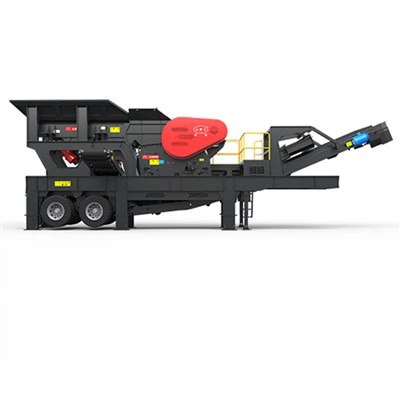
At the end of the day, a mobile crusher is only as reliable as the care you put into it. Whether you’re running a jaw crusher for demolition projects, a cone crusher for aggregate production, or an impact crusher for recycling concrete, a consistent maintenance routine will keep your machine running for years, avoid costly downtime, and ensure you meet project deadlines. If you’re looking to optimize your current maintenance plan, need to replace wear parts, or are in the market for a mobile crusher that’s built for easy upkeep, I’m here to help.
Gold Mining Pump Parts References:
- International Organization for Standardization (ISO). 2018. Earth-moving machinery – Mobile crushers – Safety requirements.
- The Society for Mining, Metallurgy & Exploration (SME). 2020. Maintenance Best Practices for Mobile Crushing Equipment.
- Construction Equipment Association (CEA). 2021. Mobile Crusher Operation and Maintenance Guidelines.
- National Stone, Sand & Gravel Association (NSSGA). 2019. Wear Part Management in Aggregate Crushing Operations.
- Mobile Machinery Manufacturers Association (MMMA). 2022. Transport Maintenance Protocols for Off-Road Mobile Equipment.
Linyi Yuxiang Import and Export Trade Co., Ltd.
We are one of the most professional mobile crusher manufacturers in China, specialized in providing high quality products. We warmly welcome you to buy durable mobile crusher for sale here from our factory. Good service and low price are available.
Address: Linyi Comprehensive Bonded Zone
E-mail: sales-top1@bfgoldmachine.com
WebSite: https://www.bfgoldmachine.com/
