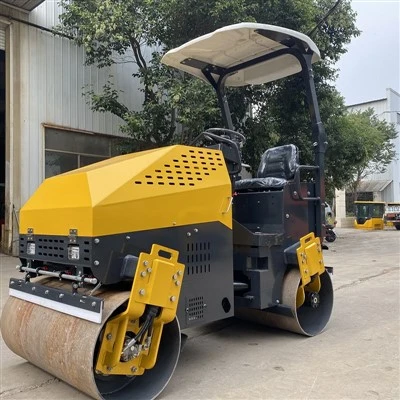
The maintenance cost of a slip loader over a year can vary widely depending on several factors, including usage intensity, operating conditions, model type, and preventive maintenance practices. As a slip loader supplier, I’ve had the opportunity to work closely with numerous customers, and I’d like to share some insights into these costs to help you make more informed decisions. Slip Loader
1. Factors Affecting Maintenance Costs
Usage Intensity
One of the most significant factors influencing the annual maintenance cost of a slip loader is how often and how intensively it is used. A slip loader that operates for several hours a day on a construction site with heavy – duty tasks like trenching, loading large volumes of materials, or working in rough terrain is likely to incur higher maintenance costs compared to one used only occasionally for light – duty jobs around a small farm.
For instance, a slip loader used 8 hours a day, 5 days a week, will experience more wear and tear on its components such as the engine, hydraulic systems, and tires. The engine, in particular, will require more frequent oil changes, air filter replacements, and potentially more major overhauls over time. On the other hand, a machine used just a few hours a month for simple tasks like moving small piles of mulch may only need basic maintenance at longer intervals.
Operating Conditions
The environment in which the slip loader operates also plays a crucial role in determining maintenance costs. Operating in dusty or dirty conditions, such as in a quarry or a demolition site, can cause excessive wear on the air filters, radiators, and other components. The dust can clog the air filters, reducing engine performance and increasing fuel consumption. It can also find its way into the engine and hydraulic systems, causing premature wear and potential damage.
Similarly, working in wet or corrosive environments, like near saltwater or in a chemical – handling facility, can lead to rust and corrosion on the metal parts. This may require more frequent inspections, cleaning, and application of anti – corrosion coatings to prevent structural damage.
Model and Age of the Slip Loader
Newer slip loader models often come with advanced technology and better – engineered components, which can result in lower maintenance costs in the first few years of operation. They may have more efficient engines, longer – lasting hydraulic seals, and improved filtration systems. However, as the machine ages, the probability of component failures increases, and maintenance costs tend to rise.
Older models may lack some of the modern features that enhance reliability and ease of maintenance. For example, they may not have self – diagnostic systems, which can make it more difficult and time – consuming to identify and fix problems. Additionally, finding replacement parts for older models can sometimes be more challenging and expensive.
Preventive Maintenance Practices
Regular preventive maintenance is key to keeping the annual maintenance cost of a slip loader under control. A well – maintained machine is less likely to experience major breakdowns, which can be extremely costly in terms of both parts and labor.
Preventive maintenance includes tasks such as daily inspections, regular oil and filter changes, lubrication of moving parts, and checking tire pressure. By following the manufacturer’s recommended maintenance schedule, you can catch potential problems early and address them before they turn into more serious and expensive issues.
2. Components and Their Associated Maintenance Costs
Engine Maintenance
The engine is the heart of the slip loader, and proper maintenance is essential for its longevity and performance. Engine maintenance costs can include oil changes, air filter replacements, fuel filter replacements, spark plug changes (for gasoline engines), and coolant flushes.
The frequency of oil changes depends on the type of engine and the operating conditions. Generally, for a diesel engine used in a medium – duty application, an oil change may be required every 250 – 500 hours of operation. The cost of engine oil, oil filters, and labor for an oil change can range from $100 – $300 per service.
Air filter replacements are also important, especially in dusty environments. A clogged air filter can reduce engine power and increase fuel consumption. Depending on the model, an air filter can cost between $20 – $100, and the replacement can be done relatively quickly, either by the operator or a technician.
Hydraulic System Maintenance
The hydraulic system is responsible for powering the loader’s attachments and providing smooth operation. Maintenance of the hydraulic system includes checking the hydraulic fluid level, changing the hydraulic fluid and filters, and inspecting the hoses and fittings for leaks.
Hydraulic fluid should be changed every 1000 – 2000 hours of operation, depending on the manufacturer’s recommendations. The cost of hydraulic fluid and filters can range from $200 – $500, and labor for the fluid change can add another $100 – $200.
Leaks in the hydraulic hoses or fittings can be a common problem. Repairing a small leak may only cost $50 – $100 in parts and labor, but a major leak or a failed hydraulic pump can cost several thousand dollars to repair or replace.
Tire Maintenance
The tires on a slip loader are subjected to a lot of stress, especially when operating on rough terrain. Tire maintenance involves checking the tire pressure regularly, rotating the tires, and replacing them when the tread is worn down.
Tire pressure should be checked at least once a week. Under – inflated tires can cause uneven wear, reduce fuel efficiency, and increase the risk of a blowout. The cost of replacing a set of tires for a slip loader can range from $1000 – $3000, depending on the size and type of tires.
Electrical System Maintenance
The electrical system in a slip loader includes the battery, wiring, lights, and control systems. Battery maintenance involves keeping the terminals clean, checking the electrolyte level (for non – maintenance – free batteries), and replacing the battery every 2 – 3 years.
A new battery for a slip loader can cost between $100 – $300. Electrical problems, such as a short circuit or a malfunctioning switch, can be difficult to diagnose and repair. Labor costs for electrical repairs can vary widely, but minor repairs may cost $100 – $200, while more complex issues can cost several hundred dollars.
3. Estimating the Annual Maintenance Cost
For a low – usage slip loader, used less than 500 hours per year in a relatively clean environment, the annual maintenance cost may be around $1000 – $2000. This would include basic engine maintenance, occasional hydraulic fluid checks, and tire inspections.
A medium – usage slip loader, operating 500 – 1500 hours per year in a moderate environment, can expect annual maintenance costs in the range of $2000 – $5000. This higher cost is due to more frequent engine and hydraulic system maintenance, as well as possible tire replacements.
For a high – usage slip loader, working more than 1500 hours per year in a harsh environment, the annual maintenance cost can exceed $5000. In addition to regular component maintenance, there may be a need for major repairs or the replacement of critical components such as the engine or hydraulic pump.
4. Tips to Reduce Maintenance Costs
Train Operators Properly
Well – trained operators can significantly reduce maintenance costs. They know how to operate the slip loader correctly, which can prevent unnecessary wear and tear. For example, an operator who understands how to handle the loader’s controls smoothly can reduce stress on the hydraulic system and other components.
Keep Detailed Maintenance Records
Maintaining accurate records of all maintenance activities, including service dates, parts replaced, and work performed, can help you plan future maintenance and identify any recurring problems. It also provides valuable information when it comes time to sell the machine.
Choose Quality Parts
When replacing parts, it’s important to choose high – quality parts that meet or exceed the manufacturer’s specifications. While they may be more expensive upfront, they are likely to last longer and perform better, reducing the need for frequent replacements.
5. Conclusion
Understanding the annual maintenance cost of a slip loader is crucial for anyone considering purchasing or operating one. By taking into account factors such as usage intensity, operating conditions, model type, and following good preventive maintenance practices, you can manage these costs effectively.
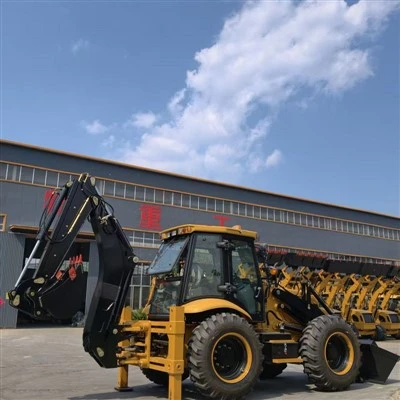
As a slip loader supplier, I’m committed to helping my customers not only choose the right machine but also keep their maintenance costs under control. If you’re interested in learning more about our slip loader products or want to discuss maintenance strategies, please don’t hesitate to contact us for a purchase negotiation. We have a team of experts ready to assist you in making the best decision for your business.
Loader References
- Equipment manufacturers’ manuals and maintenance guides
- Industry reports on construction equipment maintenance costs
- Experience from dealing with numerous slip loader customers over the years
Shandong Feisite Machinery Co., Ltd.
As one of the most professional slip loader manufacturers and suppliers in China, we’re featured by quality products and good service. Please rest assured to buy cheap slip loader made in China here and get quotation from our factory. Customized orders are welcome.
Address: 100 meters south of Zengfusi Village, Mihe Town, Qingzhou City, Shandong Province
E-mail: Wpeng19911103@qq.com
WebSite: https://www.shandongfeisite.com/
