Selecting a vision measuring machine is a crucial decision for businesses across various industries, from manufacturing and engineering to quality control and research. As a seasoned supplier in the field of measuring machines, I understand the complexities and challenges that customers face when trying to find the perfect fit for their specific needs. In this blog post, I’ll share some key considerations to help you make an informed decision when selecting a vision measuring machine. Measuring Machine

Understanding Your Application Requirements
The first step in selecting a vision measuring machine is to clearly understand your application requirements. Different industries and applications have unique needs, and the machine you choose should be able to meet those requirements effectively. Here are some questions to ask yourself:
What Types of Parts Will You Be Measuring?
Consider the size, shape, and material of the parts you’ll be measuring. For example, if you’re measuring small, intricate components, you’ll need a machine with high-resolution imaging and precise measurement capabilities. On the other hand, if you’re measuring large parts, you’ll need a machine with a larger measurement range.
What Are the Required Measurement Accuracies?
Determine the level of accuracy required for your measurements. This will depend on the specifications of your parts and the quality control standards of your industry. Vision measuring machines can offer different levels of accuracy, so it’s important to choose one that can meet your specific accuracy requirements.
How Many Parts Will You Need to Measure Per Day?
Consider the volume of parts you’ll need to measure on a daily basis. If you have a high-volume production environment, you’ll need a machine that can perform measurements quickly and efficiently. Look for machines with fast scanning speeds and automated measurement capabilities.
What Are the Environmental Conditions of Your Measurement Area?
Take into account the environmental conditions of your measurement area, such as temperature, humidity, and vibration. Some vision measuring machines are more sensitive to environmental factors than others, so it’s important to choose a machine that can operate reliably in your specific environment.
Evaluating Machine Specifications
Once you have a clear understanding of your application requirements, it’s time to evaluate the specifications of different vision measuring machines. Here are some key specifications to consider:
Measurement Range
The measurement range refers to the maximum size of the parts that the machine can measure. Make sure the machine you choose has a measurement range that is large enough to accommodate your parts.
Resolution
The resolution of a vision measuring machine refers to the smallest increment that the machine can measure. A higher resolution means more precise measurements. Consider the level of detail required for your measurements and choose a machine with an appropriate resolution.
Accuracy
Accuracy is a measure of how close the measured value is to the true value. Look for machines with high accuracy ratings to ensure reliable and consistent measurements.
Repeatability
Repeatability refers to the ability of the machine to produce the same measurement results when measuring the same part multiple times. A high repeatability rating indicates that the machine is stable and reliable.
Imaging System
The imaging system is a critical component of a vision measuring machine. It determines the quality of the images captured and the accuracy of the measurements. Look for machines with high-resolution cameras, advanced lighting systems, and software that can enhance image quality and provide accurate measurements.
Software Features
The software used with the vision measuring machine plays a crucial role in its functionality and ease of use. Look for software that offers a user-friendly interface, advanced measurement tools, data analysis capabilities, and the ability to generate reports.
Considering Machine Features and Options
In addition to the basic specifications, there are several features and options that can enhance the performance and functionality of a vision measuring machine. Here are some features to consider:
Automated Measurement
Automated measurement capabilities can significantly increase the efficiency and productivity of your measurement process. Look for machines that offer automated part recognition, measurement routines, and data collection.
Multi-Sensor Technology
Some vision measuring machines combine multiple sensors, such as laser scanners and touch probes, to provide more comprehensive measurement capabilities. This can be particularly useful for measuring complex parts with a variety of features.
Portability
If you need to move the vision measuring machine between different locations, consider a portable model. Portable machines are typically smaller and lighter, making them easier to transport and set up.
Calibration and Certification
Make sure the vision measuring machine you choose comes with a calibration certificate and is easy to calibrate. Regular calibration is essential to ensure the accuracy and reliability of the machine.
Training and Support
Look for a supplier that offers comprehensive training and support for the vision measuring machine. This will ensure that your operators are able to use the machine effectively and troubleshoot any issues that may arise.
Assessing Supplier Reputation and Support
When selecting a vision measuring machine, it’s important to choose a reputable supplier that can provide high-quality products and reliable support. Here are some factors to consider when evaluating a supplier:
Experience and Expertise
Look for a supplier with extensive experience in the field of measuring machines. An experienced supplier will have a better understanding of your needs and will be able to provide more accurate recommendations.
Product Quality
Check the quality of the vision measuring machines offered by the supplier. Look for machines that are built to last and are backed by a warranty.
Customer Reviews and Testimonials
Read customer reviews and testimonials to get an idea of the supplier’s reputation and the quality of their products and services. You can also ask the supplier for references and contact their existing customers directly.
Technical Support
Make sure the supplier offers comprehensive technical support, including on-site training, maintenance, and repair services. This will ensure that your machine is always up and running and that any issues are resolved quickly.
Customization Options
If you have specific requirements or need a customized solution, look for a supplier that can offer customization options. A good supplier will work with you to understand your needs and develop a solution that meets your requirements.
Making the Final Decision
After considering all the factors mentioned above, you should have a shortlist of vision measuring machines that meet your requirements. Now it’s time to make the final decision. Here are some tips to help you choose the right machine:
Request a Demonstration
Before making a purchase, request a demonstration of the vision measuring machine. This will allow you to see the machine in action and evaluate its performance and capabilities.
Compare Prices
Compare the prices of the different machines on your shortlist. Keep in mind that the cheapest option may not always be the best choice. Consider the quality, features, and support offered by each machine when making your decision.
Consider the Total Cost of Ownership
In addition to the purchase price, consider the total cost of ownership of the vision measuring machine. This includes the cost of maintenance, calibration, software updates, and training.
Make an Informed Decision
Based on your evaluation of the machines and the supplier, make an informed decision. Choose the machine that best meets your requirements, offers the best value for money, and is backed by a reliable supplier.
Conclusion
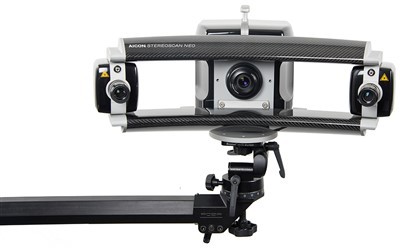
Selecting a vision measuring machine is a complex decision that requires careful consideration of your application requirements, machine specifications, features, and supplier reputation. By following the guidelines outlined in this blog post, you can make an informed decision and choose a machine that will meet your needs and help you achieve your measurement goals.
Coordinate Measuring Machine If you’re interested in learning more about our vision measuring machines or need assistance in selecting the right machine for your application, please contact us. Our team of experts is ready to help you find the perfect solution for your measurement needs.
References
- "Vision Measurement Systems: A Guide to Selection and Use," Society of Manufacturing Engineers
- "Metrology Handbook: Measuring and Gaging for Precision Manufacturing," William A. Wood, Jr.
- "Optical Metrology: Principles and Applications," Jürgen Jahns, et al.
Hermens Industrial Co., Ltd.
As one of the most professional measuring machine enterprises in China, we’re featured by quality products and low price. Please rest assured to buy cheap measuring machine in stock here and get quotation from our factory. We also accept customized orders.
Address: 9/59 Moo 14, Rachathewa , Bang Phli , Samut Prakan Province 10540
E-mail: liu_jincheng@hzhemen.com
WebSite: https://www.hermensindustrial.com/
