Hey there, Glass Dropper

If you’ve ever ordered a serum, essential oil, or even a little bottle of facial toner that comes with a glass dropper, you’ve probably thought, “Is this thing gonna break if I clean it wrong?” Or maybe you’ve noticed your dropper isn’t sucking up liquid as well as it used to, and you’re wondering if it’s time to toss it or just give it a better scrub. As someone who’s been in the glass dropper supply game for over a decade—yeah, I’m the guy who’s shipped thousands of these little guys out to small brands, big beauty lines, even craft essential oil makers—I get the questions. A lot of folks ask me, “Do glass droppers need special care?” The short answer is: yeah, a little, but not the fancy, overcomplicated kind. Most of the issues people run into are from skipping tiny, easy steps, not from the glass itself being some fragile, high-maintenance material.
Let’s start with the basics. Glass is inert, right? That’s why brands love it for storing stuff like vitamin C serums or CBD oils—won’t leach chemicals, doesn’t react with most acidic or oily liquids. But the dropper isn’t just glass. There’s the rubber or silicone bulb on top, and the little glass tube that goes into the bottle. That’s where most of the care stuff comes in. I’ve seen customers send me messages saying their dropper bulb got all sticky and gross after a month, or the tube got clogged with crud, and they thought the whole thing was defective. Spoiler: 9 times out of 10, it’s just not being cared for like a two-part product.
First off, cleaning. If you’re using a glass dropper for something like an essential oil that’s pretty thick, or a serum with active ingredients, you can’t just give it a quick rinse under the tap and call it a day. Wait—wait, don’t blast the bulb with hot water, by the way. That’s a rookie mistake. I’ve had customers do that, and their bulb shrinks or gets all misshapen within a week. Rubber and silicone don’t do super well with boiling water or really high temps. What I always tell people is: take the dropper apart every time you refill your bottle. Pull the bulb off the glass tube, separate ’em. For daily light use (like if you’re just using a toner that’s mostly water), a quick rinse with warm tap water and a little bit of gentle soap—like the kind you wash your face with, not dish soap—does the trick. Then shake out the excess water and let both pieces air dry upside down on a paper towel, not standing up in a bowl. Standing up traps moisture inside the bulb, and that’s where mold grows. Ew, right?
But if you’re using your dropper for thicker stuff—like a castor oil serum, or a blend with several essential oils, or even a liquid makeup primer? You need a deeper clean every 1-2 weeks. Here’s the trick I learned early on: fill a small cup with warm water and a drop of rubbing alcohol (70% is fine, don’t use anything stronger) and let the parts soak for 10 minutes. The alcohol cuts through sticky residue, and it evaporates fast so you don’t have to wait forever. After soaking, take a tiny, soft brush—like a baby bottle brush, or even the little brush they use for pipe cleaners, but make sure it’s not scratchy—and scrub the inside of the glass tube. That’s where all the gunk hides, not on the outside. The bulb? Don’t scrub it hard. Just rinse it with the same alcohol-water mix, squeeze it a few times to get the liquid out, and lay it flat to dry. Never, ever put a glass dropper in the dishwasher. Even on the top rack. The high heat can warp the bulb, and the jostling can scratch the glass tube, which makes it more likely to break over time. I’ve had too many brands send their droppers back because dishwashing ruined them, so now I shout that from the rooftops—no dishwashers, period.
Another big question: can you reuse a dropper for different liquids? Like, if I have a serum dropper, can I take it out and use it for my essential oil blend? Short answer: only if you clean it really well, and maybe swap out the bulb if it’s old. Wait a second—rubber and silicone bulbs can get oily over time, even after cleaning. If you’re switching between two very different liquids, like a citrus serum and a pine essential oil, I’d recommend either using separate droppers, or replacing the bulb. We sell replacement bulbs super cheap, by the way—no need to throw out the whole dropper set. Also, if you notice your dropper isn’t suctioning like it used to? That’s almost always the bulb. Either it’s got a tear in it, or it’s lost its elasticity from being exposed to too much sun or hot temps. Glass itself almost never loses suction. So don’t go smashing the glass tube yet—just pop a new bulb on, and it’s good as new.
What about storage? A lot of people leave their dropper sitting on the counter, or stick it back in the bottle after every use. Wait—when you put the dropper back in the bottle, make sure the bulb is dry, right? If you stick a damp dropper into a bottle of serum or oil, you’re introducing moisture, which can make the active ingredients go bad faster. And if you’re traveling with a bottle that has a glass dropper? Don’t just toss it in your bag loose. The glass tube can break, scratch other things, or even poke a hole in the bulb. I always tell my customers to use a tamper-evident cap or a little plastic sleeve for the dropper when they’re on the go. Even a little piece of tape over the top of the bulb works in a pinch. I once had a customer who forgot that rule, and her entire makeup bag got ruined when the glass tube broke and leaked all over—she came back, said she needed a dozen more droppers and some of those little protective sleeves. Lesson learned, I guess.
Wait, is there anything else that can mess up a glass dropper besides bad cleaning? Oh, yeah—harsh chemicals. If you’re cleaning something super sticky, like super glue or industrial adhesive (though why would you do that with a dropper, but I’ve seen it), don’t use acetone or bleach. Acetone can break down rubber and silicone bulbs, and bleach can leave a weird chemical residue that’ll mess up whatever liquid you use the dropper for. Stick to mild soap, warm water, and 70% rubbing alcohol—those are the only three things you should ever use on your dropper, unless it’s extra dirty. I had a brand ask me once if they could use hydrogen peroxide to clean their droppers, and honestly? It’s fine, but only in small amounts. Too much peroxide can etch the glass over time, making it cloudy and more prone to breaking. So skip the heavy-duty chemicals.
Let’s talk about when you should replace your dropper, not just the bulb. The glass itself is pretty tough, but it can still chip or break. If you see a tiny crack in the glass tube—even a hairline one—toss it. Cracked glass can cut you, and it can also let air into the bottle, which will make your liquid go rancid faster. Cloudy glass? That’s usually from mineral buildup or too much exposure to harsh cleaners, but it’s still safe to use, just not ideal if you like seeing how much liquid is left. And if the glass is really scratched? Well, those scratches can hide bacteria, so it’s better to swap it out. But honestly, glass droppers last forever if you take care of them. I’ve had customers tell me their same dropper has been working for 3 years, as long as they clean it right. The bulb is the only part that wears out, which is why we make replacement bulbs easy to get—no need to buy a whole new set every time.
I should also mention something that a lot of new brands don’t think about: the kind of glass you use. Not all glass is the same. We use borosilicate glass for all our droppers, right? That’s the same stuff they make lab beakers out of, it’s heat-resistant, won’t break if you bump it, and it’s inert. Regular soda-lime glass is cheaper, but it’s more prone to chipping and scratching, and it can leach small amounts of chemicals over time if you’re using it for acidic liquids. So even if you do all the care stuff, a cheap glass dropper will wear out faster. But that’s a whole other topic. The point is, if you’re using a quality dropper to start with, the care is way easier.
Wait, let’s circle back to the original question: Do glass droppers require special care? Yeah, just the kind of care you’d give any small, two-part product that’s meant to hold liquids. You don’t need special tools or fancy cleaning solutions. You just need to take it apart when you clean, don’t put it in the dishwasher, replace the bulb every few months if you use it a lot, and don’t blast it with hot water. That’s it. Most of the “problems” people have with droppers are just from treating them like a single, unbreakable part, not a glass tube and a rubber bulb that work together.
I’ve been in this business long enough to see all the mistakes. I’ve seen someone pour boiling water over a bulb and get a lopsided mess. I’ve seen someone leave a dropper in a bottle of oil for 6 months without cleaning it, and pull it out to find mold growing in the bulb. I’ve seen someone use a dropper for cooking oil and then for face serum, no cleaning, and wonder why their serum smelled like fried chicken. All of that is avoidable with 2 minutes of extra care.
At the end of the day, glass droppers are such a great packaging choice—they’re sustainable, they look nice, they keep liquids safe. But they’re not indestructible. A little bit of regular care goes a long way. If you’re a brand looking for reliable droppers that are easy for your customers to care for, or if you just need replacement bulbs or extra droppers for your own at-home use, feel free to reach out to us to talk through your needs. We can help you pick the right size, the right glass, and even send along a little care sheet for your customers if you want. No complicated hoops, no weird fine print—just straightforward advice for taking care of something that’s supposed to make your life easier.
Thanks for sticking with this long post. I hope this clears up the care question for you. Now go give your dropper a quick clean—you’ll be glad you did.
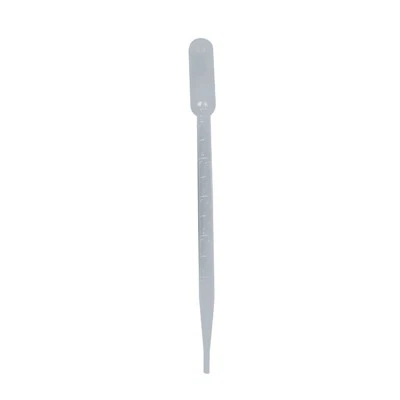
Pasteur Pipette References
- International Glass Packaging Association. (2022). Care and Maintenance of Glass Closures and Droppers.
- Personal Care Products Council. (2021). Best Practices for Cleaning and Reusing Skincare Packaging Components.
- U.S. Food and Drug Administration. (2020). Inertness of Glass for Food and Cosmetic Contact Surfaces.
- ASTM International. (2019). Standard Guide for Cleaning and Maintaining Glass Laboratory Ware.
Taizhou Yukang Medical Devices Co., Ltd.
As one of the leading glass dropper manufacturers and suppliers in China, we warmly welcome you to buy customized glass dropper at competitive price from our factory. If you have any enquiry about quotation, please feel free to email us.
Address: Heheng Village, Shengao Town, Jiangyan District, Taizhou City
E-mail: taizhouyukang@163.com
WebSite: https://www.tzykylqx.com/
