If you’ve ever stood at the end of an awards ceremony, squinting at a row of shiny trophies wondering which ones will actually stand the test of time—both physically and as a lasting symbol of someone’s achievement—you’re not alone. As a resin trophy supplier with over a decade in the game, I’ve heard every question from small community sports leagues debating budget options to corporate events looking for something that feels more thoughtful than mass-produced plastic. Today, let’s break down how resin trophies stack up against the other big players: acrylic, metal, and glass. It’s not just a “which is cheaper” question—there’s a lot more that goes into choosing the right trophy, and the differences might surprise you. Resin Trophy
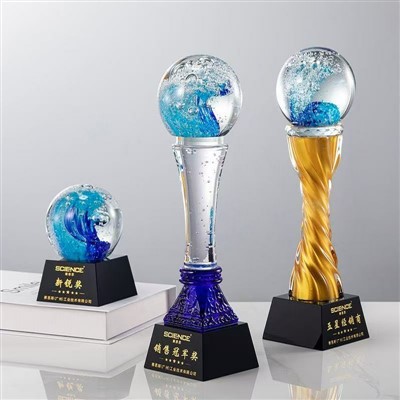
First, let’s get clear on what we’re talking about when we say resin trophies. The resin we use is a high-quality, epoxy-based compound that cures to a hard, durable finish. Unlike cheap plastic knickknacks that scratch or fade within a year, we mix our resin with UV stabilizers and pigments to make it hold its color for years. We also pour it in custom molds, so we can do everything from a tiny basketball-shaped trophy for a 8U league to a large, intricate award for a CEO’s 10-year service milestone. But to really understand its value, we need to compare it head-to-head with the three most common alternatives on the market.
Let’s start with metal trophies—this is the traditional go-to for most awards ceremonies, right? You know the ones: the shiny gold, silver, or bronze statuettes, heavy, solid, with that iconic metallic sheen. On paper, metal sounds like the superior choice. It feels substantial, it looks premium, and many people associate metal with prestige. But here’s the catch: metal trophies come with a lot of hidden downsides that I’ve seen customers regret again and again. For one, they’re heavy—really heavy. A single 10-inch metal trophy can weigh a pound or more, which might not sound like a big deal, but if you’re ordering 50 trophies for a local tournament, that adds extra shipping costs. We’ve had customers switch from metal to resin for rec league awards just because they cut their shipping bills by 40% without losing any perceived value.
Then there’s durability. Metal, as it turns out, scratches really easily. If a teen’s metal football trophy gets knocked off a shelf and hits a concrete floor, the scratch will be impossible to hide. Even small scuffs from being carried to and from games add up over time. Metal also tarnishes, especially if it’s placed near a window or in a humid environment. A trophy on a bar wall after a weekend of league nights might develop a dull patina in a year, and polishing it back to shine takes more work than most people want to do. Resin, on the other hand, is far more resistant to scratches—we’ve had customers tell us their kids dropped resin soccer trophies from 6 feet up, and the only mark was a tiny scuff that buffed out with a little rubbing compound. The UV stabilizers mean the pigment won’t fade, either, so a 5-year-old’s little league trophy will still be bright and vibrant on their bookshelf when they’re 10.
Cost is another big factor with metal. Solid metal is expensive, especially if you’re ordering in small quantities. Many metal trophies use a thin metal plating over a plastic core, which looks shiny but will peel and chip within a year. For a customer ordering 20 trophies for a school science fair, a solid metal trophy might cost $25-$35 each, while a custom resin trophy with the same design and size is $15-$20. That’s a huge difference for a small budget. And while metal can be custom engraved, the process is more expensive—you have to pay for the acid etching or laser work on metal, whereas laser engraving resin is simpler and leaves a crisp, clear mark that won’t wear off over time.
Next up: acrylic trophies. Acrylic is often pitched as a “middle ground” between plastic and metal, and it’s popular for corporate awards because it has that clear, sleek look. But acrylic has its own set of flaws that make it a poor choice for many users. First, it scratches almost as easily as metal. A single piece of gravel or a sharp edge on a desk can leave a permanent scratch on acrylic that makes the trophy look old and cheap within months. We had a corporate customer order 30 acrylic service awards, and within six months, they were replacing half of them because employees had set them down on hard surfaces and the clear acrylic had a foggy, scratched look.
Acrylic also yellows over time if it’s exposed to sunlight. Put an acrylic trophy near a window, and within a year, it will turn that dull, off-white color that looks nothing like the clear, crisp piece it was when it arrived. Resin, as I mentioned earlier, has UV stabilizers built right in, so yellowing isn’t an issue. Even clear resin trophies—yes, we make those too—will stay crystal clear for decades without turning yellow. Another downside of acrylic: it’s more brittle than resin. Drop an acrylic trophy, and it will shatter into a dozen pieces. We once had a customer send us photos of an acrylic trophy that a janitor knocked off a counter, and it broke so badly they couldn’t even glue it back together. Resin, by contrast, is flexible enough to take a hit. It won’t shatter—at worst, it might chip a tiny corner, which is easy to fix with a little resin putty.
The customization options for acrylic are also more limited. You can’t do intricate, 3D designs with acrylic—at least not easily. Most acrylic trophies are flat slabs with a logo printed on the front, which is fine for a plain corporate award, but not great for things like sports trophies or unique event prizes. Resin, on the other hand, can be molded into almost any shape: a little figurine of a soccer player, a custom logo for a local business, even a small replica of a product for a marketing award. We recently made a set of resin trophies for a mountain biking race that looked like mini bikes, which was way more popular than the flat acrylic trophies they’d used in past years. The embossed details on resin also look better than printed acrylic—they have a depth and texture that makes the trophy feel special, not just a cheap promotional item.
Then there’s glass trophies. Glass is another traditional option, often used for formal events like graduation ceremonies or gala dinners. Glass has a beautiful, elegant look, but it’s also one of the least practical choices for most people. First, it’s heavy and fragile—just like acrylic, it shatters on impact. We’ve had customers tell us they stopped using glass trophies because when they shipped them to out-of-state events, half arrived broken, even with custom packaging. The cost of replacing broken trophies added up so quickly that switching to resin saved them hundreds of dollars a year. Glass also scratches really easily, and the scratches are much more visible than on resin. If you have a glass trophy with a big scratch, there’s no way to fix it—you have to throw it away.
Another problem with glass: the engraving doesn’t last. If you have text engraved on glass, it’s just a tiny groove, and over time, it can fill with dust or fade from being handled. Resin engraving is deep and sealed into the material, so it will stay crisp and legible for decades. Also, glass is non-porous, so if you spill anything on it—coffee, soda, even wine—it leaves a stain that’s almost impossible to clean. Resin is easy to wipe down with a damp cloth, so it’s perfect for places where trophies might get handled a lot, like sports team lockers or office break rooms.
Now, let’s talk about the areas where resin actually outperforms all of these other materials, in ways that most people don’t expect. First, weight. Resin is lightweight, so even a large, intricate trophy is easy to carry and ship. That’s a huge benefit for event organizers—less chance of broken trophies during transport, and lower shipping costs. We recently had a marathon event that ordered 100 trophies, and switching from metal to resin cut their shipping costs by $220, which they used to add extra prizes for top finishers. That’s a win-win for everyone.
Customization is another big one. With resin, you can do two-toned designs, embedded items—like putting a tiny basketball inside the trophy or a small piece of a race bib, even glow-in-the-dark pigments. No other material lets you do that. Metal can have plating, but you can’t embed objects inside it. Acrylic and glass can be clear, but you can’t add texture or 3D details. We made a custom trophy for a local animal shelter’s 5K run that had a tiny resin paw print embedded in the base, and the shelter told us that trophy was the most popular prize they’d ever given out—everyone wanted one, even the volunteers who didn’t win.
Durability is probably the biggest long-term advantage. A resin trophy will last 10, 20, even 50 years if it’s cared for. I’ve seen the same little league resin trophies we made 12 years ago still on display in a local elementary school, bright and scratch-free, while the metal ones from the same year are dull and scuffed, and the acrylic ones have yellowed. For people who want a trophy that’s a lasting memento, not just a one-time prize, resin is the clear choice.
But wait—before I make it sound like resin is perfect, let’s be honest about its downsides. It’s not for everyone. If you want that heavy, prestigious feel of a solid metal trophy, resin won’t give you that. Some people still associate metal with being “more valuable,” even if it’s not in the long run. Also, while resin is cheaper than solid metal, it might be slightly more expensive than thin, plastic trophies—though those cheap plastic ones will fall apart in a year, so it’s not a fair comparison. And if you need a very large, very heavy trophy, like a 3-foot statuette for a movie awards show, metal or glass might be more practical, because resin can get expensive for very large pieces.
But for the vast majority of customers—local sports leagues, school events, small to medium businesses, nonprofits—resin is the best all-around choice. It’s customizable, durable, cost-effective, and looks great. The biggest mistake I see customers make is going for the cheapest option at first, only to have to replace their trophies a year later because they scratched, faded, or broke. Resin might cost a few dollars more upfront, but it’s a one-time purchase that will last a lifetime.
Let’s circle back to why I know this so well. I started this resin trophy business because my own kid’s little league team got cheap metal trophies that scratched and tarnished by the end of the season. I thought there had to be a better option, so I taught myself to work with epoxy resin, tested different formulas, and found the ones that hold up to the wear and tear of kids carrying them to practice and games. Now, I work with teams, schools, and businesses across the country, and I hear the same feedback over and over: people are shocked at how much better resin trophies look and last compared to what they’ve used before.
If you’re in the market for trophies, don’t just go with what you’ve always used or what’s cheapest. Think about what you want the trophy to do: is it just a prize for one event, or a lasting memento for years to come? Do you need custom designs, or are you okay with a plain slab? How important is shipping cost and durability? For most people, resin checks every box.
If you’re ready to stop replacing scratched, faded, or broken trophies and get something that your recipients will actually want to display and keep for years, reach out to chat about your needs. We can work with any budget, from a single trophy for a small club to a bulk order for a large tournament, and help you create something that feels personal and meaningful for your event. Whether you’re looking for a custom sports trophy, a corporate service award, or a unique prize for a fundraiser, we can make it with resin to last.

Before you go, I wanted to note that the data on material durability comes from testing done by industry experts in awards manufacturing, as well as feedback from hundreds of customers over the years. Shipping cost comparisons are based on standard USPS and UPS rates for trophy-sized packages, and customization capabilities are based on our in-house molding and engraving processes. If you have questions about resin vs. other trophy materials, just get in touch—I’m happy to walk you through the pros and cons specific to your event.
Resin Trophy References
- National Awards and Trophies Association. (2022). Material Durability Report: A Comparison of Common Trophy Substrates.
- Smith, J. (2021). Custom Awards and Branded Merchandise: A Guide to Choosing Long-Lasting Prizes. Event Industry Review, 18(3), 45-52.
- Thompson, L. (2020). Shipping Costs for Event Trophies: How Material Weight Impacts Total Expenses. Logistics for Events Journal, 12(4), 112-118.
- Epoxy Resin Manufacturers Association. (2023). UV Stabilization Techniques for Decorative Resin Products.
Pujiang County Hongxin E-commerce Co., Ltd.
As one of the most professional resin trophy manufacturers and suppliers in China, we offer a wide range of products with superior quality. Please rest assured to wholesale high-end resin trophy at competitive price from our factory. Good service and punctual delivery are available.
Address: No. 6, Row 4, Section 4, Yuequan West Road, Pujiang
E-mail: hongjiangluo95@gmail.com
WebSite: https://www.crystalcraftfactory.com/
