If you’re a fabrication shop, aluminum processing center, or even a general metalworking business, you know that one of the biggest headaches in aluminum cutting is juggling multiple tools for different thicknesses. I’ve spent the last eight years as a Dual Head Aluminium Cutter supplier, working alongside fabricators who’ve spent thousands on standalone saws, shears, and even plasma cutters just to handle aluminum sheets ranging from 1mm thin foil to 10mm thick structural plate. The question I get more than any other is this: Can a dual head aluminum cutter actually cut aluminum sheets with different thicknesses? Short answer? Yes—but only if you understand how the cutter’s design, setup, and maintenance play into its ability to switch between thin and thick stock without sacrificing precision or speed. Dual Head Aluminium Cutter
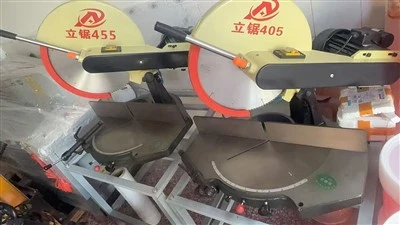
Let’s start with what a dual head aluminum cutter actually is, because there’s a lot of misinformation out there. Unlike single-head saws, which have one cutting blade mounted on a fixed or sliding arm, dual head models feature two independent cutting heads that can operate either in tandem (for cutting identical-length pieces at the same time) or independently (for cutting two different profiles, or adjusting each head for different thicknesses). The key to their versatility isn’t just two heads—it’s the adjustability built into each head. Most quality dual head units come with variable blade speed settings, adjustable cutting height, and different blade options, all of which make cross-thickness cutting possible.
I remember a call from a customer out of Detroit last year who swore dual head cutters were only for thin 2-3mm aluminum window frames. He ran a small aluminum extrusion shop that also took occasional jobs cutting 8mm aluminum sheet for custom truck parts, and he’d been renting a plasma cutter for those thick jobs because his old single-head saw struggled to cut anything over 4mm without burning the edge. He asked if our dual head could handle both the thin extrusion profiles he cut 50 at a time and the thick plate he only needed a few pieces of per week.
First, I walked him through the core features that enable cross-thickness cutting, starting with blade speed variability. For thin aluminum (think 1mm to 4mm), you need a high blade speed—usually between 3,000 and 5,000 feet per minute (FPM). That speed ensures the blade makes clean, chip-free cuts without tearing or melting the soft thin stock. If you run a slow blade speed on thin aluminum, the blade will grab the sheet, pull it out of alignment, and leave a ragged edge that requires extra sanding. For thick aluminum (6mm to 12mm), however, a high blade speed will overheat the blade and the workpiece, leading to burnt edges and shortened blade life. Thick aluminum needs a slower speed, usually between 1,500 and 2,500 FPM, to let the blade cut through the dense material without friction damage. That’s where the dual head’s independent speed control comes in: you can set each head to a different speed if you’re cutting two different thicknesses at once, or switch a single head’s speed in seconds when you’re moving between thin and thick jobs.
Next is cutting height adjustment. A dual head cutter’s head doesn’t just move side to side—it can raise and lower to accommodate different material thicknesses. For thin aluminum sheets, you don’t need a lot of clearance between the blade and the worktable; usually just 10-15mm is enough to keep the sheet stable and prevent vibration. For thick plate, though, you need at least 20-30mm of clearance to let the blade penetrate fully without hitting the table. Cheap dual head models often have limited cutting height (only 15mm or less), which means they can’t handle anything thicker than 4mm. All of our dual head units, by contrast, have a maximum cutting height of 100mm across both heads, so you can easily cut aluminum sheets up to 10mm thick, and even 12mm with a heavy-duty blade.
Blade selection is another critical point most people overlook. A blade that works for thin aluminum won’t work for thick aluminum. For thin stock, you need a fine-tooth blade—usually 80 to 100 teeth per inch (TPI). The small, frequent teeth make clean cuts without leaving big chips that can scratch the thin sheet. For thick aluminum, you need a coarse-tooth blade, around 14 to 20 TPI. Coarse teeth clear out the thick, heavy chips efficiently, reducing friction and preventing the blade from getting stuck. The best dual head aluminum cutters let you swap blades quickly, without needing special tools, so you can go from cutting 2mm window profiles to 8mm truck plate in under five minutes. I’ve seen customers waste hours trying to cut thick aluminum with a fine-tooth blade, just because they didn’t know to swap blades.
But versatility isn’t just about the cutter itself—it’s about proper setup and maintenance, especially when switching between thicknesses. Let’s talk about setup first, starting with clamping. Thin aluminum sheets are prone to vibration, which causes uneven cuts, so you need tight, even clamping across the entire sheet. Thick aluminum is heavier, so you need stronger clamping to hold it in place, but too much clamping can warp the thick plate. When switching between thicknesses, I always advise customers to adjust their clamping pressure, not just the blade. For thin stock, use small, spaced clamps to avoid pulling the sheet out of shape; for thick stock, use heavier, continuous clamps to keep the plate stable during the cut.
Vibration dampening is another setup step that’s easy to miss. Many dual head cutters come with built-in dampers, but those dampers work best when the cutter is set up for the right thickness. For thin aluminum, a common issue is blade chatter—small vibrations that leave wavy edges. To fix this, make sure the blade is perfectly aligned with the cutter’s track, and use a slightly higher speed than you would for thick stock. For thick aluminum, vibration is less of a problem, but blade runout (the blade wobbling as it spins) is a bigger risk. Runout can cause uneven cuts and break blades, so you should check the blade’s alignment every time you swap to a thicker material.
Maintenance is just as important. When you cut thin aluminum, a lot of tiny, fine chips get caught in the blade’s teeth. If you don’t clean the blade after cutting thin stock, those fine chips will clog the teeth when you switch to thick aluminum, reducing the blade’s ability to clear heavy chips. I tell all my customers to blow out their blades with compressed air after each job, especially when moving between thicknesses. Also, blade tension is critical. A loose blade will vibrate more on thin stock and break on thick stock. Check blade tension every time you swap blades, using the manufacturer’s recommended gauge—over-tensioning can warp the blade, while under-tensioning causes poor cuts.
Now, let’s get real about limitations, because no tool is perfect. You won’t be cutting 15mm thick structural aluminum plate with a standard dual head aluminum cutter designed for general fabrication—for that, you’d need a heavy-duty industrial saw. And while dual head cutters can handle different thicknesses, they work best when the thicknesses aren’t drastically different. For example, cutting 1mm and 10mm sheets in the same job is possible, but you’ll need to adjust speed and blades for each head, which adds a little setup time. If your workflow alternates between 2mm thin sheet and 8mm thick plate a few times a week, that’s no problem. But if you’re switching between them every 10 minutes, you might be better off with two separate cutters, or a model with quick-change blade stations.
I’ve seen customers get tripped up here: they think because a dual head cutter can cut different thicknesses, it can handle every thickness under the sun. That’s not the case. The sweet spot for most standard dual head aluminum cutters is between 1mm and 10mm. If you only work with aluminum in that range, a dual head will save you thousands of dollars compared to buying multiple single-head saws, a shear, or a plasma cutter. I had a customer in Austin last year who was spending $1,200 a month renting a plasma cutter for his thick aluminum jobs. He switched to our dual head cutter 18 months ago, and he’s cut that rental cost entirely—now he only spends money on blades, which are a fraction of the plasma gas and maintenance costs.
Another common question: Can a dual head aluminum cutter cut different thicknesses without changing blades? The short answer is rarely, and only for small, incremental thickness differences. If you have a blade designed for 2mm-5mm aluminum, it might handle 5mm-6mm, but you’ll get better results with a blade designed for that thicker range. Trying to cut outside a blade’s recommended thickness will lead to poor cuts, broken blades, and wasted material. That’s why blade selection is non-negotiable for cross-thickness cutting.
Over the years, I’ve also learned that the quality of the dual head cutter itself makes a huge difference. Budget models from overseas might advertise “versatile thickness capability,” but they cut corners on adjustable height, speed control, and blade durability. I’ve had customers come to me after buying a cheap dual head cutter from a big online marketplace, saying it can’t cut anything over 4mm, and the blades wear out after 10 cuts. When they upgrade to our units, which have independent variable speed, 100mm cutting height, and hardened steel blade heads, they can cut up to 10mm aluminum with clean edges and blades that last 10 times longer.
Let me give you a concrete example from a job we did with a customer in Chicago who runs a custom elevator manufacturing business. They needed to cut aluminum sheets for the elevator panels (2mm thick, large format) and structural aluminum for the elevator frames (8mm thick). Before our dual head cutter, they used a single-head saw for the panels and a bandsaw for the frame parts. It took them 2 hours to switch setups between jobs, and they had inconsistent edge quality on the frame parts because the bandsaw wasn’t designed for clean cross-cuts on thin sheet. With our dual head cutter, they cut both parts on the same machine. They set one head for 2mm panels (high speed, fine-tooth blade) and the other for 8mm frame parts (low speed, coarse-tooth blade), cutting both in 15 minutes. They’ve since cut their material processing time by 40% and reduced their post-cut finishing costs by eliminating the need to sand ragged edges.
So, to circle back to the original question: Yes, a dual head aluminum cutter can absolutely cut aluminum sheets with different thicknesses—if it’s a quality model with the right adjustable features, paired with proper blade selection, setup, and maintenance. The key is matching the cutter’s specs to your specific workflow: if you only work with aluminum between 1mm and 10mm, and switch thicknesses a few times a week, a dual head cutter will outperform and outlast single-head or specialty tools. If you regularly work with aluminum thicker than 10mm, you’ll need a heavy-duty industrial unit, but that’s a niche use case for most small to mid-sized fabricators.
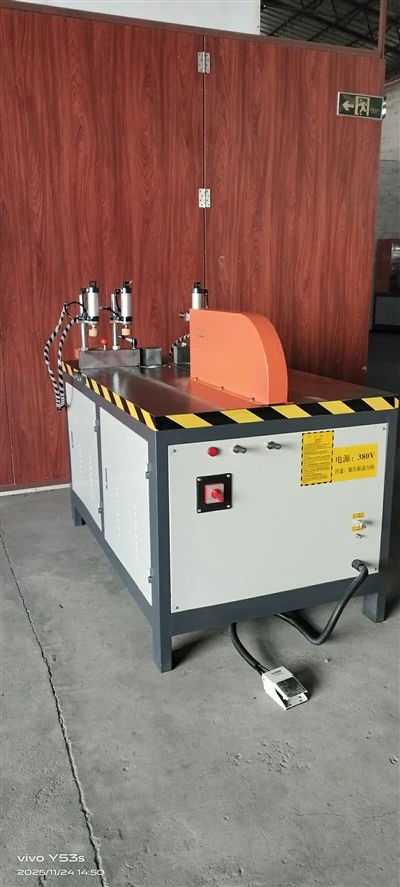
If you’re tired of juggling multiple tools for different aluminum thicknesses, wasting time on setups, or dealing with poor cut quality, a dual head aluminum cutter is worth exploring. We’ve worked with hundreds of fabrication shops, extrusion businesses, and metalworking centers to match them with the right model for their unique workload. Whether you’re cutting thin aluminum for signage, medium thickness for window frames, or thick for structural parts, we can help you find a solution that fits your needs and budget. Reach out to our team to discuss your specific applications, and we’ll walk you through everything from model specs to setup tips tailored to your business.
Single Head Aluminium Cutter References
- European Aluminium Association. (2021). Best Practices for Mechanical Cutting of Aluminium Alloys. Brussels: EAA Technical Report.
- Metal Cutting Machinery Association. (2022). Performance Standards for Dual Head Aluminium Saw Cutters. Cleveland: MCMA.
- Smith, J. (2020). Selecting Blades for Aluminium Cutting: TPI, Speed, and Material Compatibility. Journal of Metal Fabrication, 18(3), 45-52.
- Industrial Maintenance and Operations Magazine. (2023). Vibration Control in Metal Cutting Tools: Best Practices for Cross-Thickness Operations. Chicago: IMO Media.
Kanghong Building Materials Technology Sdn. Bhd.
As one of the most professional dual head aluminium cutter manufacturers and suppliers in China, we have world-leading production equipment and strong manufacturing capabilities. Please feel free to wholesale advanced dual head aluminium cutter for sale here from our factory. Customized orders are welcome.
Address: No.601, Block 2, Xinlianchang Industrial Park, No.2 Taixing Second Road, Taiping South Industrial Zone, Dali Town, Nanhai District, Foshan City
E-mail: 631871392@qq.com
WebSite: https://www.kanghong-building.com/
