If you’ve ever spent time troubleshooting a fuel system glitch—say, a sputtering lawnmower that won’t start on the first pull, or a diesel truck that loses prime mid-haul—chances are a check valve was involved. I’ve been selling and troubleshooting fuel system components for 12 years now, and this is the question I get most often: How does that tiny, unassuming valve actually keep fuel flowing the right way? It’s not just a plug that stops reverse flow, either. From small engines in power equipment to heavy-duty on-highway rigs, a fuel system’s check valve is the unsung gatekeeper that keeps fuel efficiency up, wear and tear down, and downtime to a minimum. Let’s break this down, straight from the workshop floor. Check Valve

First, let’s get on the same page about where check valves live in a fuel system. They aren’t all mounted in the same spot, and their design shifts depending on what they’re working with. On a standard passenger car, you’ll usually find two: one right at the fuel pump outlet, and another near the carburetor or fuel injector rail. On a small walk-behind lawnmower, it’s often tucked between the gas tank and the engine’s fuel line, close enough to catch any backflow before it reaches the carburetor when you tilt the mower to trim edges. For over-the-road semi-trucks, you might see three: one pre-pump to maintain fuel prime, one at the secondary pump, and a pressure-related check valve near the fuel filter to keep consistent flow to the injectors. Every placement ties directly to its job, which is always tied to stopping reverse flow—but the mechanics of how that job gets done is where most people get confused.
Let’s start with the basic, most common type: the spring-loaded poppet check valve. This is what 90% of fuel systems use, regardless of size, and it’s the design I sell more than any other. Think of it like a bottle stopper, but on a tiny scale—most of these for small engines are no bigger than a quarter, while heavy-duty ones for trucks can be the size of a golf ball. Inside the valve housing, there’s a central opening (the “port”), a round or cone-shaped plug (the poppet), and a small spring sitting behind the poppet, pushing it forward against the port opening. Here’s how it works step by step:
When fuel flows forward—from the tank, through the line, toward the engine—the pressure of that flowing fuel pushes against the poppet. That pressure has to be high enough to overcome the spring’s tension. Once it is, the poppet slides back, opening the port, and fuel flows through unimpeded. The spring is calibrated for exactly how much pressure the system needs: for a small lawnmower, it might only take 0.5 psi to open; for a diesel truck running at high RPM, that calibration jumps to 5 psi, because the system needs a consistent flow to the injectors even when demand is high.
Now, when flow reverses—like when you turn the engine off, and the pump stops pulling—the pressure drops. The spring, which was holding the poppet back while fuel flowed, now pushes the poppet forward again. The poppet’s soft seal (usually a nitrile rubber or EPDM material, chosen to resist ethanol and gasoline breakdown) presses tight against the port, creating an airtight, fuel-tight seal. That’s it, right? Well, almost. There are tiny design tweaks here that make all the difference in real-world use. For example, some poppets have a slight bevel on the edge, so when they seat, the seal is self-aligning—no leak if there’s a tiny bit of dirt in the line, which is inevitable in even the cleanest fuel systems. For diesel applications, we use a harder poppet seal that resists the higher viscosity of diesel fuel, because soft rubber would wear out too fast.
But spring-loaded poppet valves aren’t the only kind. There’s also the ball check valve, which is super common in small, low-pressure systems like ATVs, snowblowers, and older carbureted small engines. Instead of a poppet, this uses a small steel or ceramic ball that sits in a curved seat. Fuel flow forward pushes the ball off the seat, letting fuel pass; reverse flow pushes the ball hard against the seat, closing the port. Ball valves are simpler, cheaper to make, and work great for low-pressure applications, but they have a downside: if dirt gets under the ball, it can’t seal tight, leading to leaks. We always warn customers that if their small engine is sputtering when they tilt it, a stuck ball check is often the culprit. The ball shifted into a gap from debris, so when you tilt the mower, fuel seeps back through. That’s the repair I get called out to make more than any other for residential power equipment.
There’s a third type too, called a swing check valve, mostly used in large commercial fuel systems—like for generator sets, marine fuel tanks, or construction equipment with 50-gallon fuel lines. This one has a hinged flap instead of a poppet or ball. When fuel flows forward, the flap swings open with the flow; when flow stops or reverses, gravity pulls the flap back closed, stopping reverse flow. Swing valves are great for high-flow, high-capacity systems because they don’t restrict flow much when open, but they need a bit more space in the line to swing, so they’re not ideal for small tight spots.
Now, let’s talk about why this matters, beyond just “stopping fuel from flowing back.” A check valve that fails does more than just leave you stranded. Let’s use the lawnmower example again: when you turn the mower off, if fuel flows back through the line from the carburetor to the tank, the carburetor’s bowl will empty. Next time you go to start it, you’ll have to prime the carburetor 5 or 6 times instead of 1, because all that fuel flowed back. That’s not just an inconvenience—if you’re in a hurry to mow before it rains, it can cost you a whole morning of work. For a semi-truck, a failed check valve that lets fuel reverse flow will make the fuel pump lose prime. If that happens 20 miles from a rest stop, you’re calling a tow truck, which can cost hundreds of dollars—and that’s before you factor in lost revenue from downtime. For marine applications, a reverse flow check valve can even be dangerous: if water gets into the fuel line (which happens if you leave a boat’s tank open to condensation), a leaky check valve can let that water flow back toward the engine, causing a stall mid-lake.
I’ve seen this firsthand, too. Last year, a customer brought in a John Deere X300 lawn tractor that wouldn’t start after sitting through a Texas summer. He’d already replaced the carburetor, the spark plug, and the battery—all the usual suspects—before calling me. I pulled the fuel line off, turned the key, and watched fuel pour right back into the tank. Turns out the small ball check in the fuel line had corroded from ethanol-blended fuel, so it couldn’t seal. A 99-cent replacement valve fixed the whole tractor. That’s why I always tell customers not to skip the check valve: it’s one of the cheapest, most high-impact parts in the entire fuel system.
You might be wondering, can’t you just skip the check valve? Nope, not in any modern fuel system. Older carbureted systems didn’t always have them, but that was a different time, when fuel was less corrosive and engines had simpler needs. Now, with 10% ethanol in most gasoline (and up to 15% in some regions), fuel lines and components are more prone to corrosion. Backflow can also create vapor lock in hot weather—if fuel flows back to the tank, it can heat up and turn to vapor, which the fuel pump can’t pull, leading to stalling on hot days. The check valve keeps pressure in the fuel line after the engine is off, so the fuel stays cool and liquid, ready to flow when you turn the key.
Another common misconception: check valves only work when the engine is off. No way. They also regulate pressure during operation. In fuel-injected systems, the fuel pump runs constantly when the engine is on, and pressure can spike if there’s no check valve to hold it steady. A spring-loaded check valve keeps a consistent 30-50 psi in the line to the injectors, so they spray fuel evenly, which improves fuel efficiency and reduces emissions. For diesel common rail systems, that pressure can get up to 1500 psi—you need a calibrated check valve there to prevent pressure spikes that would damage the injectors, which cost thousands of dollars to replace.
So what should you look for when choosing a check valve? Not all valves are the same, and using the wrong one is a common mistake. First, match the valve’s pressure rating to your system. A small engine valve rated for 1 psi will work great for a lawnmower, but it’ll leak or break in a diesel truck that needs 5 psi. Second, match the material to your fuel type. If you’re using E15 or E85 ethanol-blended fuel, you need a valve with nitrile or Viton seals—regular rubber seals will swell and fail in a month. Third, match the size to your line. A valve too small will restrict flow and cause performance issues; too big will be unnecessarily expensive and take up space you don’t have.
As a check valve supplier, I tell every customer that a check valve isn’t a “one size fits all” part. I keep a huge inventory of valves for every application: small ball valves for residential power equipment, heavy-duty poppet valves for trucks and generators, swing valves for marine and commercial construction gear. I also offer custom calibrations for specialized applications, like small unmanned aerial vehicles (drones) that need ultra-light check valves that don’t add weight to the fuel system. I’ve even worked with a farm equipment manufacturer to develop a check valve that works with biodiesel fuel, which is more corrosive than regular diesel—we tested over 20 materials before finding one that could stand up to biodiesel for 10,000+ hours of use.
Here’s the bottom line: the next time your engine starts right up on the first pull, or your truck doesn’t stall on the highway, thank the check valve. It’s a tiny, unobtrusive part that does heavy work, preventing leaks, downtime, and costly repairs. If you’re noticing symptoms that point to a bad check valve—hard starting, tilting-induced stalling, sputtering at high RPM, or fuel leaking from the line—don’t wait to replace it. A $5 check valve is way cheaper than a tow truck, a new carburetor, or a ruined injector.
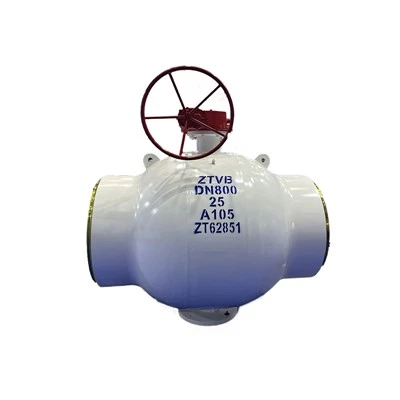
If you’re a fleet manager, a small engine repair tech, or a DIY mechanic working on equipment that needs reliable fuel system components, I’d be happy to help you find the right check valve for your needs. We stock parts for every major brand, offer bulk pricing for fleets, and can help you troubleshoot any fuel system issues. Reach out to our team to discuss your requirements, and we’ll make sure you get the right part, on time, at a fair price.
Valves References:
- Automotive Fuel Systems: Design, Operation, and Troubleshooting, SAE International, 2019.
- Small Engine Fuel System Components: A Practical Guide, Briggs & Stratton Technical Division, 2021.
- Heavy-Duty Diesel Fuel System Maintenance Manual, American Trucking Associations, 2022.
- Material Compatibility for Fuel System Components, Society of Plastics Engineers, 2020.
Yancheng Suhao Valve Industry Co., Ltd.
We are one of the most experienced check valve manufacturers and suppliers in China, specialized in providing high quality customized service. Please feel free to wholesale durable check valve in stock here from our factory. Also, quotation is available.
Address: No. 33, Huashan Road, Economic Development Zone, Funing County, Jiangsu Province
E-mail: Support@suhao.net
WebSite: https://www.suhaoind.com/
