Yo, what’s up everyone! I’m a supplier of titanium anodes, and today I wanna chat about how these bad boys work in electroflotation. It’s a pretty cool process, and titanium anodes play a huge role in making it all happen. Titanium Anode

First off, let’s talk a bit about electroflotation. It’s a water treatment method that uses an electric current to remove contaminants from water. You know, stuff like oil, grease, suspended solids, and even some heavy metals. The basic idea is to create tiny gas bubbles, usually hydrogen and oxygen, at the electrodes. These bubbles attach to the contaminants and carry them to the surface of the water, where they can be skimmed off.
Now, let’s get to the star of the show – the titanium anode. Titanium is an awesome material for anodes in electroflotation for a bunch of reasons. One of the biggest perks is its high corrosion resistance. Electrochemical processes can be pretty harsh on the electrodes, but titanium can handle it like a champ. It won’t corrode easily in the electrolytes used in electroflotation, which means it lasts a long time. That’s a huge plus for any industry looking to cut down on maintenance costs and keep their equipment running smoothly.
Another great thing about titanium anodes is their excellent electrical conductivity. That means they can efficiently transfer the electric current through the electrolyte to create those all – important gas bubbles. When the power is turned on, electrons flow from the power source to the anode. Here’s a simplified way of looking at the reactions that happen at the titanium anode:
At the anode, oxidation occurs. If the electrolyte is water – based, which is common in many electroflotation setups, the water molecules break down. The reaction at the anode usually looks like this: (2H_2O → O_2 + 4H^+ + 4e^-). This is how oxygen gas is produced. The positively charged hydrogen ions ((H^+)) are released into the solution, and the electrons are sent back into the electrical circuit.
As for the cathode, which is the other electrode in the electroflotation cell, the opposite reaction happens – reduction. A typical reaction at the cathode is (2H_2O + 2e^-→ H_2 + 2OH^-). This produces hydrogen gas bubbles.
So, as you can see, the titanium anode is responsible for generating the oxygen bubbles. These oxygen bubbles, along with the hydrogen bubbles from the cathode, start to float to the surface of the water. Meanwhile, the contaminants in the water have a tendency to attach to these bubbles. why? Well, it’s all about surface chemistry. The gas bubbles have a certain surface charge, and the contaminants also have a charge. Sometimes, these charges attract each other, causing the contaminants to latch onto the bubbles.
Once the contaminants are attached to the bubbles, they rise to the surface of the water, forming a layer of froth. This froth can then be easily removed using a skimmer or other mechanical means. And just like that, you’ve removed a significant amount of the contaminants from the water.
Now, I’ve been talking about the basic principles, but there are a few factors that can affect how well the titanium anode works in electroflotation. One of the big ones is the current density. Current density is basically the amount of electric current flowing through a unit area of the anode. If the current density is too low, there won’t be enough gas bubbles produced, and the electroflotation process won’t be very efficient. On the other hand, if the current density is too high, it can cause problems like over – heating and excessive corrosion of the anode. So, it’s important to find that sweet spot for the specific application.
The composition of the electrolyte also matters a lot. Different electrolytes have different conductivities and chemical properties. For example, if the water has a high salt content, it will conduct electricity better than pure water. This can affect the rate of the electrochemical reactions at the anode and cathode. Some industries might also add specific chemicals to the electrolyte to enhance the performance of the electroflotation process. These chemicals can help with things like adjusting the pH of the solution or making the contaminants more likely to attach to the bubbles.
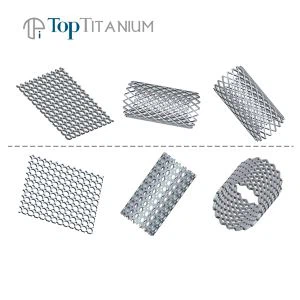
The surface area of the titanium anode is another important factor. A larger surface area means more room for the electrochemical reactions to take place. This can lead to a higher production rate of gas bubbles and a more efficient electroflotation process. That’s why we offer titanium anodes in different shapes and sizes to meet the specific needs of our customers. Whether it’s a flat plate anode for a small – scale water treatment system or a tubular anode for a large – scale industrial application, we’ve got you covered.
In addition to all these technical aspects, the cost – effectiveness of using titanium anodes in electroflotation is a major selling point. Sure, titanium might be a bit more expensive upfront compared to some other anode materials, but its long lifespan and high performance make it a great investment in the long run. You won’t have to replace the anode as often, and you’ll get better results from your electroflotation system. This can save you a lot of money in terms of maintenance and operational costs.
So, if you’re in the market for a reliable and efficient anode for your electroflotation process, look no further. As a titanium anode supplier, I can offer you high – quality products that are designed to meet the demands of your specific application. Whether you’re in the mining industry, treating wastewater from a manufacturing plant, or working on a water purification project, our titanium anodes can help you get the job done.
If you’re interested in learning more or want to discuss your specific needs, just reach out. We can have a chat about the best anode solution for you, and I can give you all the details you need to make an informed decision. Don’t hesitate to get in touch – let’s work together to make your electroflotation process as effective as possible.
Round Titanium Bar References:
- "Electrochemical Technology for Water Treatment" by various authors
- "Corrosion Resistance of Titanium in Electrochemical Environments" research papers
- Industry reports on electroflotation processes and anode materials
Baoji Top Titanium Industry Co., Ltd.
As one of the most professional titanium anode manufacturers and suppliers in China, we’re featured by quality products and good price. Please rest assured to buy bulk titanium anode in stock here and get quotation from our factory. Customized orders are welcome.
Address: No. 2, South Section Of Phoenix 2nd Road,High-Tech Zone, Baoji,Shaanxi, China (Mainland)
E-mail: sales@bjtopti.com
WebSite: https://www.china-topti.com/
