As a seasoned supplier in the hydraulic drill industry, I’ve witnessed firsthand the pivotal role that hydraulic motors play in the functionality and performance of hydraulic drills. In this blog, I’ll delve into what a hydraulic motor of a hydraulic drill is, its types, working principles, and why it’s a crucial component for anyone in the market for high – quality drilling equipment. Hydraulic Drill

Understanding the Basics of Hydraulic Motors in Hydraulic Drills
A hydraulic motor is a mechanical actuator that converts hydraulic pressure and flow into torque and angular displacement (rotation). In the context of a hydraulic drill, the hydraulic motor is the powerhouse that drives the drill bit into the material, be it rock, concrete, or other tough substances.
Unlike electric motors, which rely on electrical energy, hydraulic motors operate using the power of pressurized fluid. This fluid is typically oil, which is pumped through the motor at high pressure. The pressure of the fluid creates a force that acts on the motor’s internal components, causing them to rotate. This rotation is then transferred to the drill bit, enabling it to cut through the material.
Types of Hydraulic Motors Used in Hydraulic Drills
There are several types of hydraulic motors commonly used in hydraulic drills, each with its own set of characteristics and advantages.
Gear Motors
Gear motors are one of the simplest and most common types of hydraulic motors. They consist of two or more gears that mesh together. When the pressurized fluid enters the motor, it causes the gears to rotate. Gear motors are known for their compact size, high – speed capabilities, and relatively low cost. However, they are not as efficient as some other types of motors and may not be suitable for high – torque applications.
Vane Motors
Vane motors use a series of vanes that slide in and out of slots in a rotor. As the pressurized fluid enters the motor, it pushes the vanes outwards, causing the rotor to rotate. Vane motors offer a good balance between efficiency and cost. They are capable of providing moderate torque at relatively high speeds and are often used in medium – duty hydraulic drills.
Piston Motors
Piston motors are the most powerful and efficient type of hydraulic motors used in hydraulic drills. They can be further classified into axial piston motors and radial piston motors. Axial piston motors have pistons that move in a direction parallel to the motor’s axis, while radial piston motors have pistons that move radially from the motor’s center. Piston motors are capable of providing high torque at low speeds, making them ideal for heavy – duty drilling applications where a lot of force is required to penetrate hard materials.
Working Principles of Hydraulic Motors in Hydraulic Drills
The working principle of a hydraulic motor in a hydraulic drill is based on the conversion of hydraulic energy into mechanical energy. Here’s a step – by – step breakdown of how it works:
- Fluid Supply: A hydraulic pump, which is usually driven by an engine or an electric motor, pumps hydraulic fluid (usually oil) from a reservoir. The pump increases the pressure of the fluid, creating a high – pressure fluid stream.
- Fluid Delivery: The high – pressure fluid is then delivered to the hydraulic motor through a series of hoses and valves. The valves control the flow and direction of the fluid, allowing the operator to start, stop, and reverse the rotation of the motor.
- Mechanical Conversion: Inside the hydraulic motor, the high – pressure fluid acts on the motor’s internal components (such as gears, vanes, or pistons). This creates a force that causes the components to rotate. The rotation of these components is then transferred to the output shaft of the motor.
- Drill Bit Operation: The output shaft of the hydraulic motor is connected to the drill bit. As the motor shaft rotates, it causes the drill bit to rotate as well, enabling it to cut through the material.
- Fluid Return: After the fluid has done its work in the motor, it returns to the reservoir through a low – pressure return line. The fluid is then filtered and cooled before being pumped back into the system for reuse.
Advantages of Hydraulic Motors in Hydraulic Drills
There are several reasons why hydraulic motors are the preferred choice for powering hydraulic drills:
High Power Density
Hydraulic motors can deliver a large amount of power in a relatively small package. This is especially important in hydraulic drills, where space is often limited. A hydraulic motor can provide the same amount of torque as a much larger electric motor, making hydraulic drills more compact and portable.
Variable Speed and Torque
Hydraulic motors offer excellent speed and torque control. By adjusting the flow and pressure of the hydraulic fluid, the operator can easily vary the speed and torque of the drill bit. This is crucial for different drilling applications, as different materials require different drilling speeds and torques.
Overload Protection
Hydraulic systems have inherent overload protection. If the drill bit encounters an unexpected obstruction or resistance, the pressure in the hydraulic system will increase. Once the pressure reaches a certain level, the relief valve in the system will open, diverting the fluid back to the reservoir. This protects the motor and other components from damage.
Durability
Hydraulic motors are built to withstand harsh operating conditions. They are typically made of high – quality materials and are designed to be resistant to wear, corrosion, and extreme temperatures. This makes them suitable for use in a wide range of industries, including mining, construction, and oil and gas.
Applications of Hydraulic Drills with Hydraulic Motors
Hydraulic drills powered by hydraulic motors have a wide range of applications:
Mining
In the mining industry, hydraulic drills are used for exploration, blasting, and tunneling. The high – torque capabilities of hydraulic motors allow the drills to penetrate hard rock formations, making them essential for extracting minerals and ores.
Construction
In construction, hydraulic drills are used for tasks such as anchoring, doweling, and core drilling. They can easily drill through concrete, brick, and other building materials, enabling construction workers to create holes for pipes, wires, and structural supports.
Oil and Gas
In the oil and gas industry, hydraulic drills are used for drilling wells. The ability to control the speed and torque of the drill bit is crucial for drilling through different types of rock layers and achieving the desired depth.
Why Choose Our Hydraulic Drills
As a leading supplier in the hydraulic drill market, we take pride in offering high – quality hydraulic drills with top – of – the – line hydraulic motors. Our products are designed and engineered to meet the highest standards of performance, reliability, and durability.
We use only the best – quality materials and components in our hydraulic motors, ensuring that they can withstand the toughest operating conditions. Our team of experienced engineers and technicians conducts rigorous testing on every motor to ensure that it meets our strict quality control standards.
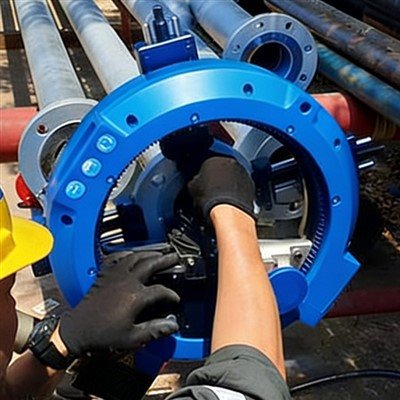
In addition, we offer a wide range of hydraulic drills to suit different applications and customer needs. Whether you’re a small – scale contractor or a large – scale mining company, we have the right drill for you. Our customer service team is always ready to provide you with expert advice and support, helping you choose the best hydraulic drill for your specific requirements.
Contact Us for Procurement
Line Boring If you’re in the market for a high – quality hydraulic drill, we invite you to contact us for procurement. We’re confident that our products will meet your expectations and provide you with the performance and reliability you need. Whether you have questions about our products, need a quote, or want to discuss a custom solution, our team is here to assist you. Don’t hesitate to reach out and start a conversation with us about your hydraulic drill needs.
References
- "Fluid Power with Applications" by Anthony Esposito. This comprehensive book provides in – depth knowledge about hydraulic systems, including hydraulic motors and their applications in various industries.
- "Hydraulic Engineering" by John F. Carstens. It offers detailed information on the design, operation, and maintenance of hydraulic equipment, including hydraulic drills and their motors.
Shangqiu JDA Machinery Technology Co., Ltd.
With abundant experience, we are one of the most professional hydraulic drill manufacturers and suppliers in China. We warmly welcome you to buy cheap hydraulic drill for sale here from our factory. Quality products and reasonable price are available.
Address: No. 55 Pingyuan Middle Road, Liangyuan District, Shangqiu, Henan, China
E-mail: sales@jdamachines.com
WebSite: https://www.jdamachines.com/
