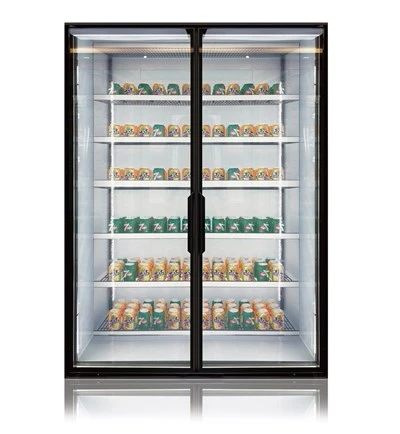
Can a commercial cold room be used for storing seafood? This is a question I often encounter as a supplier of commercial cold rooms. In this blog, I’ll share my insights based on years of experience in the industry to help you understand whether a commercial cold room is a suitable solution for seafood storage. Commercial Cold Room
The Importance of Proper Seafood Storage
Seafood is highly perishable. It is rich in proteins, moisture, and nutrients, which make it an ideal breeding ground for bacteria and enzymes. When seafood is not stored at the right temperature, these microorganisms and enzymes can cause spoilage, leading to a loss of quality, flavor, and safety.
Proper storage conditions are crucial to maintain the freshness and quality of seafood. This involves controlling temperature, humidity, and air circulation to slow down the growth of bacteria and the activity of enzymes. Failure to do so can result in economic losses for seafood businesses, as well as potential health risks for consumers.
Characteristics of Commercial Cold Rooms
Commercial cold rooms are designed to provide a controlled environment for storing various types of products. They come in different sizes and configurations to meet the diverse needs of businesses.
- Temperature Control: One of the most significant advantages of commercial cold rooms is their precise temperature control. They can be set to maintain a specific temperature range, typically from -20°C to +10°C, depending on the requirements of the stored products. This allows for the customization of storage conditions to suit different types of seafood.
- Humidity Regulation: Humidity is another critical factor in seafood storage. High humidity can cause freezer burn and promote the growth of mold, while low humidity can lead to dehydration. Commercial cold rooms are equipped with humidity control systems to maintain an optimal humidity level, usually between 85% and 95%, to prevent these issues.
- Air Circulation: Proper air circulation is essential to ensure uniform temperature distribution within the cold room. Most commercial cold rooms are designed with fans and vents to promote efficient air movement, reducing the risk of temperature variations and hot spots that could affect the quality of the stored seafood.
- Durability and Hygiene: Commercial cold rooms are constructed using high – quality materials that are resistant to corrosion and easy to clean. This is important for maintaining a hygienic storage environment, as cleanliness is crucial in preventing the growth of bacteria and the spread of diseases.
Suitability of Commercial Cold Rooms for Seafood Storage
Based on the characteristics mentioned above, commercial cold rooms are well – suited for storing seafood. Here’s how they meet the specific requirements of seafood storage:
- Fresh Seafood: Fresh fish and shellfish need to be stored at a temperature close to the freezing point, usually between 0°C and 4°C, to slow down the growth of bacteria and maintain their freshness. Commercial cold rooms can easily achieve and maintain this temperature range, providing an ideal storage environment for fresh seafood.
- Frozen Seafood: For frozen seafood, such as whole fish, fillets, and shrimp, a much lower temperature is required. Commercial cold rooms can be set to temperatures as low as -20°C or even lower, ensuring that the seafood remains frozen and retains its quality over an extended period.
- Long – term Storage: Seafood businesses often need to store large quantities of products for an extended period. Commercial cold rooms are designed to handle bulk storage, with options for adjustable shelving and storage racks to maximize space utilization. The reliable temperature and humidity control systems in these cold rooms also ensure that the seafood can be stored safely for months without significant quality degradation.
Considerations for Using Commercial Cold Rooms for Seafood Storage
While commercial cold rooms are suitable for seafood storage, there are several considerations that seafood businesses need to keep in mind:
- Proper Loading and Unloading: When loading seafood into the cold room, it’s important to do it quickly to minimize the exposure of the products to warm air. Similarly, during unloading, the cold room door should be opened for the shortest time possible to maintain the internal temperature.
- Separation of Different Types of Seafood: Different types of seafood may have different storage requirements. For example, fatty fish may require a slightly different temperature and humidity compared to lean fish. It’s important to separate different types of seafood to prevent cross – contamination and ensure that each type is stored under the optimal conditions.
- Regular Maintenance: Commercial cold rooms require regular maintenance to ensure their proper functioning. This includes cleaning the interior, checking the temperature and humidity sensors, and inspecting the refrigeration system for any signs of damage or malfunction. Regular maintenance can prevent costly breakdowns and ensure the continuous and safe storage of seafood.
Advantages of Choosing Our Commercial Cold Rooms for Seafood Storage
As a supplier of commercial cold rooms, we take pride in offering high – quality products that are specifically designed to meet the needs of seafood storage.
- Customization: We understand that every seafood business has unique requirements. That’s why we offer customized solutions, including different sizes, temperature ranges, and configurations, to ensure that our cold rooms fit your specific needs.
- Energy Efficiency: Our cold rooms are designed with energy – efficient refrigeration systems to help you reduce your operating costs. By using the latest technologies, we can provide a cold storage solution that not only meets your storage needs but also saves you money in the long run.
- Reliability: We use only high – quality components and materials in the construction of our cold rooms. Our products are rigorously tested to ensure their reliability and durability, giving you peace of mind knowing that your seafood is stored in a safe and stable environment.
- Expert Support: Our team of experts is always ready to provide you with technical support and advice. Whether you need help with installation, maintenance, or troubleshooting, we are here to assist you every step of the way.
Conclusion
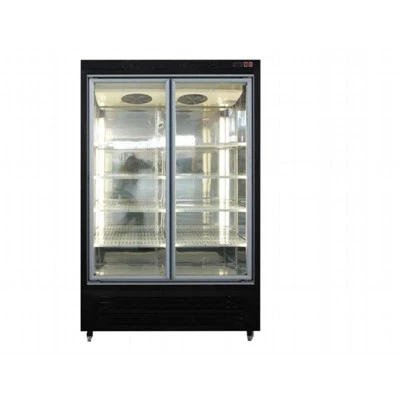
In conclusion, a commercial cold room is an excellent choice for storing seafood. With its precise temperature control, humidity regulation, air circulation, and durability, it can provide an ideal storage environment to maintain the freshness, quality, and safety of seafood.
Sliding Glass Door If you are in the seafood business and looking for a reliable cold storage solution, we invite you to contact us. Our team of experts will be happy to discuss your requirements and provide you with a customized commercial cold room solution that meets your needs. Let’s work together to ensure the success of your seafood storage operations.
References
- "Seafood Handling and Storage Guidelines" – National Oceanic and Atmospheric Administration (NOAA)
- "Commercial Refrigeration Handbook" – American Society of Heating, Refrigerating and Air – Conditioning Engineers (ASHRAE)
- "Best Practices for Seafood Storage in Cold Rooms" – International Institute of Refrigeration
Coste Glass Door Co., Ltd.
As one of the most professional commercial cold room manufacturers and suppliers in China, we’re featured by quality products and good price. Please feel free to wholesale bulk commercial cold room in stock here and get quotation from our factory. Customized orders are welcome.
Address: 41/47, VILLAGE NO.5 KHOK KRABUE SUBDISTRICT MUEANG SAMUT SAKHON DISTRICT ,SAMUT SAKHON PROVINCE 74000 ,Thailand
E-mail: Alicezhou@shhag.com
WebSite: https://www.costeglassdoor.com/
