Hey there! I’m a supplier of control valves, and today I wanna talk about the application scenarios of butterfly control valves. These valves are pretty cool and have a wide range of uses in different industries. Let’s dive right in! Control Valves
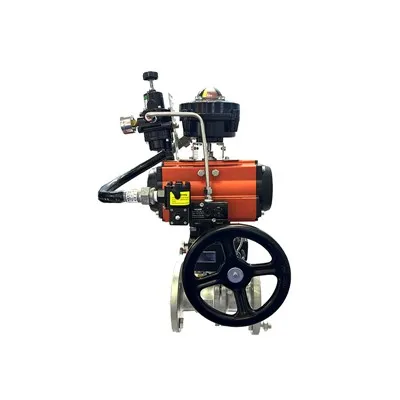
Water and Wastewater Treatment
One of the most common places where you’ll find butterfly control valves is in water and wastewater treatment plants. In these facilities, the valves are used to regulate the flow of water at different stages of the treatment process.
For example, when water is being pumped into the treatment plant from a source like a river or a reservoir, butterfly valves can be used to control the amount of water entering the system. This helps to ensure that the treatment plant can handle the incoming water volume without overloading.
During the treatment process, there are various chemical dosing points. Butterfly control valves are used to precisely regulate the flow of chemicals into the water. This is crucial for maintaining the correct chemical balance needed to remove impurities and make the water safe for use.
In wastewater treatment, after the water has been treated, butterfly valves are used to control the discharge of the treated water back into the environment. They can also be used to divert the flow of wastewater to different treatment units depending on the quality and quantity of the incoming wastewater.
HVAC Systems
Heating, ventilation, and air conditioning (HVAC) systems also rely heavily on butterfly control valves. In HVAC systems, these valves are used to control the flow of chilled water or hot water through the system.
In a large commercial building, for example, the HVAC system needs to maintain a comfortable temperature throughout the building. Butterfly control valves are installed in the pipelines that carry the chilled water from the chiller to the air handling units. By adjusting the position of the valve, the amount of chilled water flowing through the system can be controlled, which in turn affects the cooling capacity of the air handling units.
Similarly, in the heating part of the HVAC system, butterfly valves are used to regulate the flow of hot water from the boiler to the radiators or other heating elements. This helps to maintain a consistent temperature in the building, regardless of the outside weather conditions.
Another important application in HVAC is in the ventilation system. Butterfly valves can be used to control the flow of air in the ducts. By adjusting the valve opening, the amount of fresh air being brought into the building and the amount of stale air being exhausted can be regulated. This is essential for maintaining good indoor air quality.
Power Generation
Power generation plants, whether they are fossil – fuel power plants, nuclear power plants, or renewable energy power plants, use butterfly control valves in many different ways.
In a fossil – fuel power plant, butterfly valves are used in the cooling water system. The power plant needs a large amount of water for cooling purposes. Butterfly valves are used to control the flow of water into the condensers, where the steam from the turbines is cooled and condensed back into water. By regulating the water flow, the efficiency of the condenser can be optimized, which in turn affects the overall efficiency of the power plant.
In nuclear power plants, the valves are used in the primary and secondary coolant systems. They help to control the flow of coolant through the reactor core and other components. This is a critical safety feature, as proper coolant flow is essential for preventing overheating of the reactor.
In renewable energy power plants, such as solar thermal power plants, butterfly control valves are used to control the flow of heat – transfer fluids. These fluids are used to collect and transfer the heat from the solar collectors to the power generation equipment.
Chemical and Petrochemical Industries
The chemical and petrochemical industries are another major area where butterfly control valves are widely used. In these industries, the valves are used to handle a wide variety of corrosive and toxic fluids.
For example, in a chemical plant that produces acids and bases, butterfly control valves are used to control the flow of these corrosive chemicals in the pipelines. The valves are often made of special materials, such as stainless steel or lined with corrosion – resistant materials, to withstand the harsh chemical environment.
In the petrochemical industry, during the refining process, butterfly valves are used to control the flow of crude oil, refined products, and various chemical additives. They are also used in the storage facilities to control the filling and emptying of storage tanks.
Food and Beverage Industry
In the food and beverage industry, butterfly control valves are used to ensure the hygienic handling of products. These valves are designed to meet strict food safety standards.
For example, in a dairy processing plant, butterfly valves are used to control the flow of milk, cream, and other dairy products. They are made of materials that are safe for contact with food, such as stainless steel, and are easy to clean and sanitize.
In a beverage bottling plant, the valves are used to control the flow of water, syrup, and carbon dioxide. They help to ensure accurate mixing of the ingredients and the proper filling of the bottles or cans.
Mining and Minerals Processing
In the mining and minerals processing industry, butterfly control valves are used in various applications related to the handling of slurries and abrasive materials.
For example, in a copper mine, when the ore is being processed, butterfly valves are used to control the flow of the ore slurry from one processing unit to another. The valves need to be able to withstand the abrasive nature of the slurry, so they are often lined with wear – resistant materials.
In a mineral processing plant, the valves are also used to control the flow of chemicals that are used in the flotation process, which is a common method for separating valuable minerals from the ore.
Marine and Offshore Applications
Butterfly control valves are also used in marine and offshore environments. On ships, they are used in the ballast water system, fuel system, and cooling water system.
In the ballast water system, the valves are used to control the filling and discharging of ballast water. This helps to maintain the stability of the ship. In the fuel system, they are used to control the flow of fuel from the storage tanks to the engines. And in the cooling water system, the valves regulate the flow of seawater used for cooling the engines and other equipment.
On offshore oil and gas platforms, butterfly valves are used in the pipeline systems that transport oil, gas, and other fluids. They are designed to withstand the harsh marine environment, including high pressures and corrosive seawater.
Conclusion

As you can see, butterfly control valves have a wide range of application scenarios in many different industries. Their versatility, reliability, and cost – effectiveness make them a popular choice for controlling the flow of fluids.
Ball Valve If you’re in need of high – quality butterfly control valves for your business, whether it’s for a small – scale project or a large industrial application, don’t hesitate to reach out. We, as a control valve supplier, have a wide selection of valves to meet your specific needs. We can provide you with professional advice and excellent after – sales service. So, if you’re interested in discussing your valve requirements, just get in touch with us. We’re here to help you find the best valve solutions for your operations.
References
- "Valve Handbook"
- Industry reports on water treatment, HVAC, power generation, etc.
- Manufacturer brochures for butterfly control valves
Yancheng Suhao Valve Industry Co., Ltd.
Address: No. 33, Huashan Road, Economic Development Zone, Funing County, Jiangsu Province
E-mail: Support@suhao.net
WebSite: https://www.suhaoind.com/
