Hey there! I’m a supplier of PU belts, and today I wanna chat about one of the most important properties of these belts – tensile strength. PU Belts
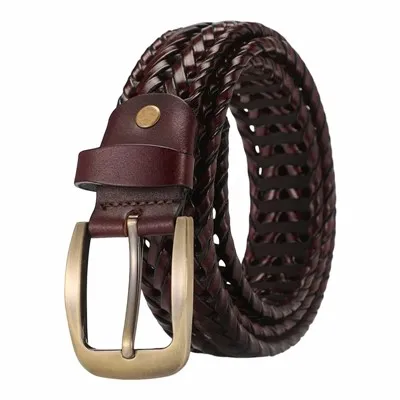
So, what exactly is the tensile strength of PU belts? Well, tensile strength is basically the maximum amount of pulling force that a material can withstand before it breaks. In the case of PU belts, it’s the measure of how much tension the belt can handle without snapping or getting permanently deformed.
Let’s start by looking at why tensile strength matters for PU belts. Picture this: You’re using a PU belt in an industrial conveyor system. The belt has to move heavy loads day in and day out. If the tensile strength of the belt isn’t high enough, it could easily break under the stress of pulling those heavy items. That would mean costly downtime for your production line, not to mention the hassle of replacing the broken belt.
In automotive applications, PU timing belts are used to synchronize the rotation of the engine’s camshaft and crankshaft. These belts need to have high tensile strength because they operate under high – speed and high – stress conditions. A belt with low tensile strength might stretch or break, leading to engine misfires or even complete engine failure.
Now, how is the tensile strength of PU belts determined? It’s usually measured through standardized testing methods. One common test is the tensile test. In this test, a sample of the PU belt is clamped at both ends and then slowly pulled apart using a testing machine. The machine measures the force applied and the amount of elongation of the belt until it finally breaks. The maximum force recorded during the test is the tensile strength of the belt.
The tensile strength of PU belts can vary quite a bit depending on several factors. First off, the formulation of the polyurethane material plays a huge role. Different manufacturers use different chemical recipes to make their PU belts. Some add special additives or reinforcements to enhance the strength. For example, belts with glass fiber or aramid fiber reinforcements tend to have much higher tensile strength compared to non – reinforced ones.
The thickness of the belt also affects its tensile strength. Generally speaking, thicker belts can handle more pulling force. But it’s not just about thickness; the cross – sectional shape of the belt matters too. Belts with a wider cross – section can distribute the stress more evenly, which can increase their overall strength.
The manufacturing process also impacts the tensile strength. If the belt is not properly cured during production, it can have weak spots that reduce its ability to withstand tension. High – quality production processes ensure that the polymer chains in the polyurethane are properly aligned and bonded, which results in a stronger belt.
As a supplier, I know that different customers have different requirements for the tensile strength of PU belts. Some industries, like heavy – duty manufacturing, need belts with extremely high tensile strength. They might be moving large metal parts or heavy machinery components, so they need belts that can take a real beating.
On the other hand, some applications, like small – scale conveyor systems in the food industry, don’t require such high – strength belts. In these cases, a belt with a moderate tensile strength might be sufficient, as long as it can handle the relatively light loads and meet the industry’s hygiene and safety standards.
When you’re choosing a PU belt, it’s important to consider the specific needs of your application. You need to think about the type and weight of the load, the speed at which the belt will be moving, and the operating environment. If the belt will be exposed to high temperatures, chemicals, or abrasive materials, it might need to have additional strength and durability.
I’ve been in the business of supplying PU belts for quite some time, and I’ve seen firsthand how important it is to get the right belt with the appropriate tensile strength. I work closely with my customers to understand their requirements and then recommend the best – suited belts.
If you’re in the market for PU belts, I’d love to help you out. Whether you need belts for industrial machinery, automotive use, or something else entirely, I can provide you with a range of options. I’ve got belts with different tensile strengths, thicknesses, and features to meet all your needs.
Don’t hesitate to reach out to me if you want to discuss your specific requirements and get a quote. Talking to me before you make a purchase can save you a lot of headaches in the long run. You’ll end up with a high – quality PU belt that’s tailored to your application and won’t break down on you unexpectedly.
In a nutshell, understanding the tensile strength of PU belts is crucial for anyone who uses these belts in their operations. It helps you make informed decisions, ensures the reliability of your equipment, and can ultimately save you time and money. So, come on, let’s have a chat and find the perfect PU belt for you!
Women’s Belts References
- Textbooks on polymer materials and mechanical engineering.
- Industry – specific handbooks related to conveyor systems and automotive applications.
Pingyang County Ganhua Leather Goods Co., Ltd.
As one of the most professional pu belts manufacturers and suppliers in China, we’re featured by quality products and good service. Please rest assured to wholesale customized pu belts made in China here from our factory. Also, free sample is available.
Address: No. 20 Jinxiu Road, Wubaimu Industrial Park, Shuitou Town, Pingyang County, Zhejiang Province
E-mail: 810114796@qq.com
WebSite: https://www.ganhuabelt.com/
