Hey there! I’m a supplier of flat bottom pouches, and I often get asked if these pouches have a good barrier against oxygen. It’s a super important question, especially when you’re looking to package products that are sensitive to oxygen exposure. So, let’s dive right in and break it down. Flat Bottom Pouches
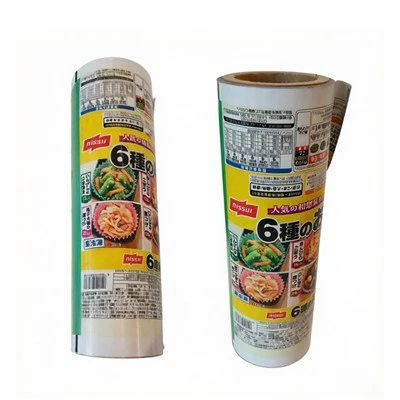
What Are Flat Bottom Pouches Anyway?
First off, for those who aren’t familiar, flat bottom pouches are a type of flexible packaging. They’ve got a flat base, which allows them to stand upright on shelves. This is a huge plus for product visibility and display. They’re used for all sorts of things, from food items like coffee, snacks, and dried fruits to non – food products such as cosmetics, pharmaceuticals, and even pet food.
The structure of a flat bottom pouch usually consists of multiple layers. These layers can be made from different materials, and each layer has its own role. Some common materials include polyethylene (PE), polypropylene (PP), polyester (PET), and aluminum foil. The combination of these materials is what gives the pouch its properties, including its oxygen barrier.
Why Is Oxygen Barrier Important?
Oxygen can be a real troublemaker when it comes to product quality. When products are exposed to oxygen, a bunch of bad things can happen. For food products, oxygen can cause oxidation, which leads to a change in flavor, color, and texture. It can also promote the growth of mold and bacteria, reducing the shelf – life of the product.
In the case of cosmetics, oxygen can degrade the active ingredients, making the product less effective. For pharmaceuticals, oxygen exposure can cause chemical reactions that change the potency of the medicine. So, having a good oxygen barrier is crucial to keep products fresh, safe, and effective for as long as possible.
How Do Flat Bottom Pouches Perform Against Oxygen?
The oxygen barrier performance of flat bottom pouches depends largely on the materials used in their construction. Let’s take a closer look at some of the common materials and how they stack up.
Aluminum Foil Layers
Aluminum foil is a rock – star when it comes to oxygen barriers. It has an extremely low oxygen transmission rate (OTR). This means that it lets very little oxygen pass through. Pouches with an aluminum foil layer can provide excellent protection against oxygen. When you see a shiny, metallic – looking flat bottom pouch, chances are it has an aluminum foil layer.
For example, if you’re packaging coffee beans, which are highly sensitive to oxygen, a pouch with an aluminum foil layer is a great choice. The foil helps to keep the coffee fresh and flavorful for a longer time by preventing oxygen from getting in. The dark interior of the foil also blocks out light, which is another factor that can degrade coffee quality.
Plastic Layers
Plastics like PET and PP also play an important role. PET has good mechanical properties and can provide some level of oxygen barrier. It’s often used in the outer layer of the pouch because it’s strong and resistant to scratches. PP, on the other hand, is known for its heat – sealing properties and can also contribute to the overall barrier performance.
However, compared to aluminum foil, plastics generally have a higher OTR. But when combined with other layers in the right way, they can still offer a decent oxygen barrier. For instance, a multi – layer pouch with a PET outer layer, a middle layer of a barrier resin, and a PP inner layer can provide a good balance of strength, flexibility, and oxygen protection.
Barrier Resins
There are also special barrier resins available that are designed to reduce the OTR of plastic films. These resins can be incorporated into the plastic layers during the manufacturing process. They work by creating a tortuous path for oxygen molecules, making it more difficult for them to pass through the film.
Some common barrier resins include ethylene vinyl alcohol (EVOH) and polyamide (PA). Pouches with a layer of EVOH or PA can have significantly improved oxygen barrier properties, especially when used in combination with other materials like aluminum foil or PET.
Testing the Oxygen Barrier
As a supplier, we take the oxygen barrier performance of our flat bottom pouches very seriously. We use various testing methods to ensure that our pouches meet the required standards. One of the most common tests is the oxygen transmission rate test.
In this test, a sample of the pouch material is placed in a test chamber. One side of the sample is exposed to a controlled atmosphere of oxygen, while the other side is maintained at a lower oxygen concentration. The amount of oxygen that passes through the sample over a specific period of time is measured. This gives us a clear idea of how well the pouch material can block oxygen.
We also conduct real – world testing by packaging actual products and monitoring their quality over time. This helps us to see how the pouches perform in real – life scenarios and make any necessary adjustments to the pouch design or materials.
Factors That Can Affect the Oxygen Barrier
It’s not just the materials that can affect the oxygen barrier performance of flat bottom pouches. There are a few other factors to consider as well.
Sealing Quality
The quality of the seals on the pouch is crucial. If the seals are not properly formed, oxygen can leak in through the gaps. We use high – quality sealing equipment to ensure that the seals are strong and airtight. During the manufacturing process, we also conduct regular seal integrity tests to check for any leaks.
Pouch Design
The design of the pouch can also impact the oxygen barrier. For example, if the pouch has a large surface area compared to its volume, there is more area for oxygen to potentially penetrate. We work with our customers to optimize the pouch design to minimize the surface – to – volume ratio and improve the overall oxygen barrier performance.
Storage and Handling
How the pouches are stored and handled can also affect their oxygen barrier properties. If the pouches are exposed to high temperatures, humidity, or physical damage, the oxygen barrier can be compromised. We provide our customers with guidelines on proper storage and handling to ensure that the pouches maintain their performance.
Conclusion: Do Flat Bottom Pouches Have a Good Barrier Against Oxygen?
In short, yes, flat bottom pouches can have a very good barrier against oxygen, especially when they are made with the right materials and construction. Aluminum foil layers, barrier resins, and well – designed multi – layer structures can significantly reduce the oxygen transmission rate.
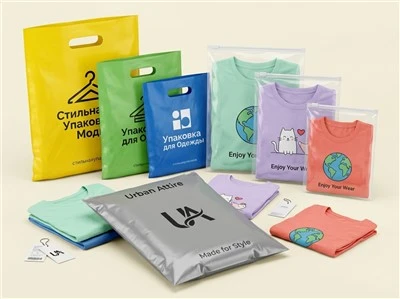
However, it’s important to note that the oxygen barrier performance can vary depending on the specific requirements of the product and the application. That’s why we work closely with our customers to understand their needs and develop customized pouch solutions.
Industrial Packaging Solutions If you’re in the market for flat bottom pouches and are concerned about oxygen protection for your products, don’t hesitate to reach out. We can provide you with samples, detailed product information, and technical support to help you make the best decision for your packaging needs. Let’s start a conversation and find the perfect flat bottom pouch for your business!
References
- Packaging Technology Handbook. Edited by Chattoorgoon, K.M.
- Fundamentals of Packaging Technology. By Hanlon, J.F., Kelsey, W.J., and Forcinio, J.H.
- Flexible Packaging: Technology, Materials, and Trends. By Robertson, G.L.
Qingdao Senlida Packing Co., Ltd.
Qingdao Senlida Packing Co., Ltd. is one of the most experienced flat bottom pouches manufacturers and suppliers in China since 1995. With a professional production team, we are able to meet the needs of the majority of our customers. Please feel free to buy high quality packing products at competitive price from our factory.
Address: No.299 Feichao Road, Luwang Town, Huangdao District, Qingdao, Shandong Province, China.
E-mail: liuxh@qdsenlida.com
WebSite: https://www.senlidapacking.com/
