If you’ve ever run a marathon where your shirt stays light even as you sweat through the final mile, wrapped a young niece in a blanket that keeps her warm on a winter camping trip without overheating her, or leaned against a patio cushion that repels rain and mud, you’ve interacted with specialty fabric—you just might not have noticed. For over a decade, I’ve worked as a specialty fabric supplier, and the thing I’ve learned most is that these aren’t just “fancy textiles” for niche brands. They’re functional, problem-solving materials that bridge gaps in everyday life, and their uses stretch far beyond what most people assume. Specialty Fabric
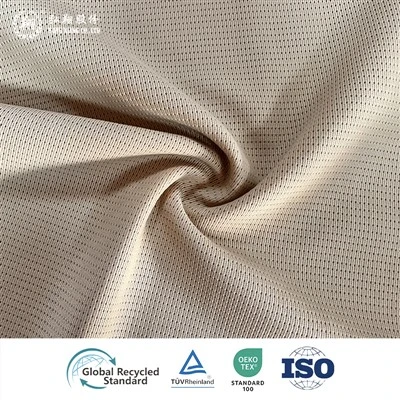
First, let’s clear up what makes a specialty fabric different from the cotton or polyester you grab at a local craft store. Generic fabrics are designed for versatility and low cost, made to work for a hundred different small tasks without excelling at any one. Specialty fabrics are engineered to meet one, very specific need: they might block UV rays, wick away moisture, resist tears, or insulate at extreme temperatures. Every fiber, weave, and finish is tested to perform consistently, often in conditions that would destroy standard fabrics. When I’m sourcing materials for clients, I start by asking one question: what’s the problem you’re trying to solve? Because specialty fabrics aren’t about being flashy—they’re about being reliable when generic stuff isn’t enough.
One of the most common, and most underrated, uses of specialty fabric is in the outdoor and athletic apparel space. Think about a trail runner’s shorts that don’t chafe after 10 miles, or a hiker’s jacket that keeps rain out while letting sweat escape so you don’t get chilled halfway up a mountain. These rely on moisture-wicking polyester blends and waterproof-breathable membranes—two classic specialty fabric technologies. I supply these materials to activewear brands, and last year I worked with a small trail gear company that was frustrated by their old fabric causing blisters on long runs. We switched to a low-friction, structured nylon weave with a micro-sanded finish, and within six months their customer complaints about chafing dropped by 70%. It’s not magic—it’s a fabric designed to move with the body, not against it, and to pull sweat away from the skin so it evaporates instead of pooling. For winter athletes, we also work with thermal specialty fabrics that trap air close to the body for insulation, without adding bulk that slows down skiers or snowboarders. Unlike standard fleece that gets soggy when wet, these specialty fleeces have a hydrophobic coating that sheds light moisture, keeping warmth even if you step through a slush puddle on a backcountry trail.
Another critical use case is in protective gear, where specialty fabric can mean the difference between safety and serious injury. I’ve spent years supplying fabrics to industrial workplaces, where workers face hazards like sharp debris, extreme heat, or electrical arcs. For construction workers, we supply cut-resistant aramid fabrics—these aren’t the same as the woven aramid in bulletproof vests, but a lighter, more flexible version that stops small cuts and scrapes when handling lumber, metal, or glass. For firefighters and industrial welders, we work with flame-resistant specialty fabrics that don’t melt or drip when exposed to high heat; generic fabrics like cotton will catch fire and stick to skin, but these treated fabrics self-extinguish the second the heat source is removed. Last year, I heard from a client who’s a construction foreman: a worker of his stepped on a loose piece of rebar, and their cut-resistant gloves stopped the rebar from slicing their palm open. That’s the kind of impact specialty fabrics have that you can’t see until you need them. We also supply arc-rated fabrics for electrical workers, which block electrical current so they can work on power lines without risk of shock. These aren’t one-size-fits-all, either—we test the arc rating of every fabric we send to make sure it meets OSHA standards, because when lives are on the line, there’s no room for error.
Beyond apparel and safety gear, specialty fabric plays a huge role in everyday consumer products that people use all the time, but rarely think about. Take outdoor furniture, for example. Standard patio fabric will fade to a pale gray after one summer of sun, and stain easily from soda, grass, or dirt. We supply solution-dyed acrylic fabrics that are color-fast to UV rays, so they stay bright for up to 10 years, and have a hydrophobic finish that repels water and stains. A few months ago, a homeowner emailed us saying their outdoor cushions from a big box store had faded so much in two years they looked old—we sent them a sample of our acrylic fabric, and they ended up redoing their entire patio set. Another everyday use is in bedding for people with allergies. Specialty fabrics like tightly woven microfiber or anti-microbial treated cotton act as a barrier against dust mites, pet dander, and mold spores. I’ve worked with bedding brands that use these fabrics to make hypoallergenic pillow and mattress covers, and customers with severe asthma tell us these fabrics help them sleep through the night without wheezing. For parents, there are also specialty diaper fabrics that are ultra-absorbent but breathable, so babies don’t get diaper rash—again, a fabric engineered to balance two competing needs: holding in moisture and letting skin stay dry.
One of the more innovative, and fastest-growing, uses of specialty fabric is in smart textiles and medical applications. This is a space I’ve been following closely, because it’s where the line between fabric and technology blurs. For example, there are conductive specialty fabrics woven with silver or carbon threads that can monitor heart rate, body temperature, and even muscle movement. I recently supplied these fabrics to a brand making wearable heart monitors for people with chronic heart conditions; the fabric is soft enough to wear all day, unlike a bulky medical device, and it sends real-time data to a doctor’s phone. In medical settings, specialty fabrics also play a role in wound care: antimicrobial fabrics that speed up healing, or breathable membranes that keep wounds moist while keeping bacteria out. For patients recovering from surgery, there are compression fabrics that apply gentle, consistent pressure to reduce swelling, made with a stretchy, durable material that doesn’t dig into the skin. These fabrics aren’t just “medical grade”—they’re designed to be gentle on sensitive skin, so patients don’t have to choose between comfort and healing. Even in renewable energy, specialty fabrics are used in solar panels and wind turbine blades; the fiberglass and carbon fiber fabrics used to build turbine blades are light, strong, and resistant to corrosion, helping wind turbines last longer in harsh coastal or mountain environments.

Over the years, I’ve learned that the best part of working with specialty fabrics is solving small, specific problems that generic materials can’t touch. A runner who doesn’t get blisters, a worker who stays safe on the job, a family whose patio cushions stay bright for a decade—these are the wins that matter. If you’re a brand looking to launch a new product, or a business needing specialty fabrics for industrial or safety gear, I can help you source materials that meet your exact needs. We work directly with manufacturers to test fabric performance, adjust weaves or finishes, and make sure every roll of fabric we send is consistent and reliable. If you’re tired of generic fabrics that don’t stand up to your requirements, or you have a specific problem you’re trying to solve, reach out to us to discuss your project.
Plain Knitted Fabric References
- Technical Association of the Textile Industry. (2022). Specialty Fabrics: Engineering for Functional Performance. Textile Industry Review, 45(2), 112-128.
- Occupational Safety and Health Administration (OSHA). (2021). Protective Clothing and Equipment Standards for Industrial Workers. U.S. Department of Labor.
- International Organization for Standardization (ISO). (2020). ISO 105-B02: Textiles – Tests for colour fastness – Part B02: Colour fastness to artificial light: Xenon arc fading lamp test.
- Journal of Smart Materials and Textiles. (2023). Conductive Textiles for Medical Monitoring Applications, 7(1), 34-47.
- Outdoor Industry Association. (2022). Performance Fabrics in Outdoor Recreation: Market and Innovation Report.
Zhejiang Hongxiang Textile Technology Co., Ltd.
Zhejiang Hongxiang Textile Technology Co., Ltd. is one of the most professional specialty fabric manufacturers and suppliers in China. With abundant experience, we warmly welcome you to wholesale custom made specialty fabric from our factory. If you have any enquiry about cooperation, please feel free to email us.
Address: No. 8, 12th Road, Warp Weaving Park, Maqiao Street, Haining City, Jiaxing City, Zhejiang Province
E-mail: gd@hongxiang888.cn
WebSite: https://www.h-xiang.com/
